
Professional Physiotherapy Support Melbourne Physical Therapy & Therapeutic Exercise
Other Services:
Get in Tuch
Maintaining and improving physical function is essential for independence, mobility, and quality of life for individuals with disabilities. At Claddagh Support Services, our comprehensive physiotherapy support programs provide specialized assistance that bridges the gap between clinical treatment and daily life application. Our dedicated physical therapy Melbourne services and targeted therapeutic exercise programs help individuals maximize their rehabilitation outcomes while building strength, mobility, and confidence in their daily activities and community participation.
Understanding Physiotherapy Support Services
Physiotherapy support services extend beyond traditional clinical treatment to provide ongoing assistance that helps individuals implement and maintain therapeutic goals in their daily lives. This supportive approach recognizes that effective rehabilitation requires consistent practice, proper technique, and ongoing motivation to achieve optimal outcomes.
Our Melbourne-based physiotherapy support programs work collaboratively with qualified physiotherapists and healthcare teams to ensure therapeutic interventions are properly reinforced and maintained between formal therapy sessions. We provide the practical support needed to maximize rehabilitation outcomes while promoting independence and functional improvement.
The Role of Support in Rehabilitation Success
Successful physiotherapy outcomes depend not only on clinical treatment but also on consistent practice, proper exercise technique, and integration of therapeutic activities into daily routines. Physiotherapy support services provide the ongoing assistance needed to bridge this gap between clinical care and daily life application.
Research demonstrates that individuals who receive consistent support for their physiotherapy programs achieve better outcomes, maintain improvements longer, and experience greater satisfaction with their rehabilitation journey compared to those who rely solely on periodic clinical appointments.
Comprehensive Physical Therapy Melbourne Support
Our physical therapy Melbourne support services encompass various aspects of rehabilitation assistance designed to complement clinical treatment while promoting independence and functional improvement in daily life settings.
Exercise Program Implementation
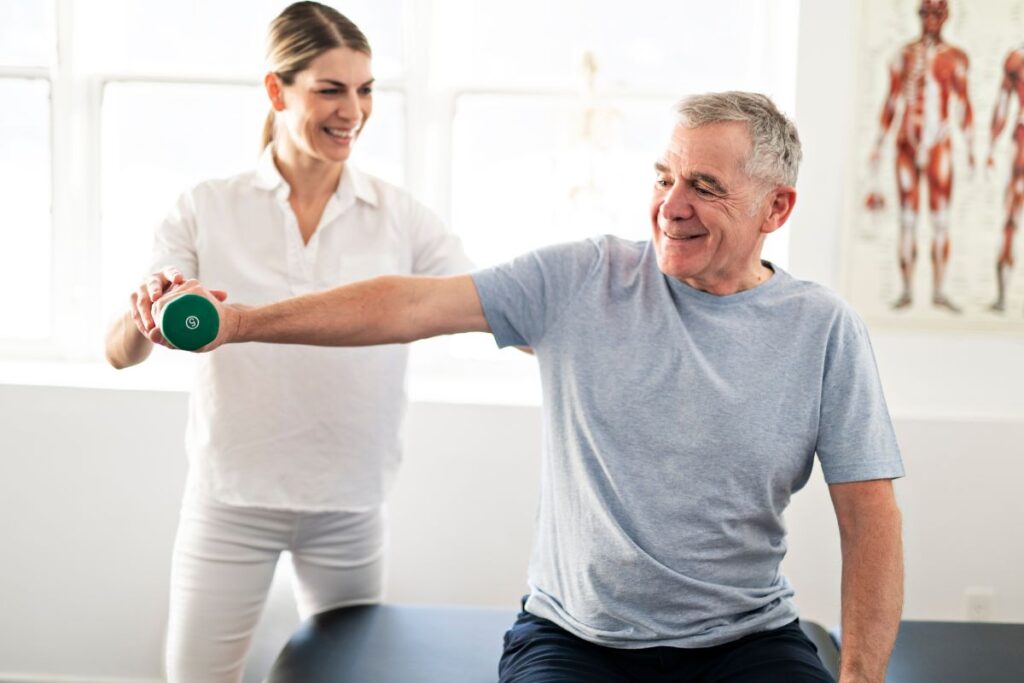
Therapeutic exercise assistance provides hands-on support for performing prescribed exercises with proper form, technique, and safety while ensuring consistency and progression according to physiotherapy recommendations.
Home exercise program support helps individuals establish and maintain regular exercise routines in their home environments while providing encouragement, technique guidance, and progress monitoring.
Equipment use and safety training ensures individuals can safely and effectively use prescribed therapeutic equipment including resistance bands, weights, mobility aids, and exercise devices in their daily routines.
Exercise modification and adaptation help adjust prescribed exercises based on changing abilities, pain levels, or environmental factors while maintaining therapeutic benefit and safety.
Mobility and Movement Support
Transfer training assistance helps individuals practice safe transfer techniques for moving between surfaces, using mobility aids, and navigating environmental obstacles with confidence and independence.
Gait training support provides assistance with walking practice, balance training, and mobility aid use while reinforcing proper techniques and building confidence in various environments.
Positioning and posture support helps maintain therapeutic positioning throughout daily activities while promoting proper alignment and preventing complications from prolonged positioning.
Movement pattern reinforcement ensures individuals practice correct movement patterns during daily activities while avoiding compensatory movements that may hinder recovery or cause injury.
Functional Activity Integration
Daily living skills integration incorporates therapeutic exercises and movements into everyday activities such as household tasks, personal care, and community participation to maximize functional benefit.
Workplace and activity preparation helps individuals practice movements and skills needed for return to work, education, or recreational activities while building strength and confidence.
Community mobility support provides assistance with practicing mobility skills in various community environments including shopping centers, public transport, and recreational facilities.
Social and recreational activity participation helps individuals apply therapeutic gains to enjoyable activities that promote continued improvement and quality of life enhancement.
Specialized Therapeutic Exercise Programs
Our therapeutic exercise programs provide structured, progressive approaches to movement and exercise that complement clinical physiotherapy while addressing specific conditions and rehabilitation goals.
Neurological Rehabilitation Support
Stroke recovery support helps individuals practice movement retraining, balance exercises, and functional activities that promote neuroplasticity and functional recovery following stroke.
Spinal cord injury exercise support provides assistance with strength training, range of motion exercises, and functional movement practice that prevents complications and promotes optimal function.
Multiple sclerosis exercise support addresses fatigue management, strength maintenance, and mobility preservation through carefully planned exercise programs adapted for varying symptom levels.
Parkinson’s disease movement support helps individuals practice large amplitude movements, balance training, and functional activities that address movement challenges and maintain independence.
Musculoskeletal Rehabilitation Support
Post-surgical rehabilitation support provides assistance during recovery from orthopedic surgeries including joint replacements, fracture repairs, and soft tissue procedures through structured exercise progression.
Chronic pain management through exercise helps individuals develop and maintain gentle exercise routines that reduce pain, improve function, and enhance quality of life while respecting pain limitations.
Arthritis exercise support provides low-impact activities that maintain joint mobility, reduce stiffness, and improve strength while protecting joints from excessive stress or damage.
Sports injury rehabilitation support helps individuals progress through return-to-activity phases while building strength, endurance, and confidence for safe return to recreational or competitive activities.
Respiratory and Cardiac Rehabilitation Support
Breathing exercise support helps individuals with respiratory conditions practice breathing techniques, chest physiotherapy, and exercises that improve lung function and reduce breathlessness.
Cardiac rehabilitation exercise support provides assistance with prescribed exercise programs following heart events while monitoring responses and ensuring safe progression according to medical guidelines.
Chronic obstructive pulmonary disease (COPD) support includes exercises that improve breathing efficiency, build endurance, and maintain functional capacity while managing energy conservation.
Pulmonary rehabilitation support helps individuals with various lung conditions maintain fitness, practice breathing techniques, and adapt activities for optimal respiratory function.
NDIS Integration and Capacity Building
As a registered NDIS provider, our physiotherapy support services align with NDIS capacity building goals while helping participants maximize their therapy investments and achieve greater independence in managing their physical health.
Therapeutic Goal Achievement
NDIS plan alignment ensures physiotherapy support activities contribute to individual health and wellbeing goals while building capacity for independent health management and community participation.
Therapy goal reinforcement helps individuals work consistently toward physiotherapy objectives between clinical appointments while maintaining motivation and progress momentum.
Functional outcome optimization ensures therapeutic activities translate into real-world improvements in daily living, community participation, and quality of life enhancement.
Our NDIS support coordination team can assist participants who need help integrating physiotherapy support with other services or coordinating complex rehabilitation plans.
Independence and Self-Management Development
Self-directed exercise skills help individuals develop ability to plan, implement, and modify their exercise routines with minimal ongoing support while maintaining therapeutic benefit and safety.
Equipment management and maintenance training builds confidence and competence in caring for therapeutic equipment while understanding when professional intervention or equipment replacement is needed.
Progress monitoring and self-advocacy skills help individuals track their rehabilitation progress, communicate effectively with healthcare providers, and advocate for their therapeutic needs.
Health literacy development helps individuals understand their conditions, treatment rationales, and how physiotherapy contributes to their overall health management and independence goals.
Melbourne-Specific Physiotherapy Resources
Melbourne’s excellent healthcare infrastructure, recreational facilities, and community resources provide rich opportunities for physiotherapy support that takes advantage of local expertise and facilities.
Healthcare Integration in Melbourne
Private practice physiotherapy coordination includes collaboration with Melbourne’s extensive network of private physiotherapy clinics to ensure seamless support between clinical treatment and daily life application.
Public health system integration coordinates with Melbourne’s public hospitals and community health centers to provide consistent support for individuals receiving physiotherapy through public healthcare.
Specialist rehabilitation facility coordination works with Melbourne’s specialized rehabilitation hospitals and centers to provide ongoing support that extends clinical gains into community living.
Allied health team collaboration ensures physiotherapy support integrates effectively with occupational therapy, speech pathology, and other allied health services available throughout Melbourne.
Community Facility Access
Aquatic center utilization takes advantage of Melbourne’s excellent public pools and aquatic centers for therapeutic exercise in water environments that reduce joint stress while building strength.
Gymnasium and fitness center access helps individuals practice therapeutic exercises in mainstream fitness facilities while building confidence for independent community fitness participation.
Community center programming includes accessing therapeutic exercise classes, gentle fitness programs, and wellness activities offered through local community centers and recreation facilities.
Outdoor exercise opportunities utilize Melbourne’s beautiful parks, walking paths, and outdoor exercise equipment for therapeutic activities in natural, accessible environments.
Regional Melbourne Support
Suburban physiotherapy support adapts to different community characteristics and resource availability while maintaining quality therapeutic support across Melbourne’s diverse suburban areas.
Regional facility coordination ensures individuals in outer Melbourne areas can access appropriate physiotherapy support while building connections with local healthcare and community resources.
Travel and transport considerations help individuals access physiotherapy support despite geographic challenges while exploring local resources and building community connections.
Technology and Innovation in Physiotherapy Support
Modern physiotherapy support increasingly incorporates technology solutions that enhance exercise precision, progress tracking, and motivation while providing innovative approaches to therapeutic exercise delivery.
Digital Health and Monitoring
Exercise tracking and monitoring technology helps individuals monitor their therapeutic exercise performance, track progress, and maintain motivation through accessible apps and devices.
Telehealth integration connects physiotherapy support with clinical providers for remote monitoring, exercise guidance, and treatment plan adjustments through video consultations and digital communication.
Wearable technology utilization includes fitness trackers, movement sensors, and monitoring devices that provide feedback on activity levels, movement quality, and progress indicators.
Virtual reality therapeutic applications provide immersive exercise experiences that can enhance motivation and engagement while providing novel approaches to movement retraining and balance training.
Assistive Technology Integration
Exercise equipment adaptation includes modifications and assistive devices that enable individuals with various disabilities to perform therapeutic exercises safely and effectively.
Communication aids for therapy instruction ensure individuals with communication challenges can receive effective exercise instruction and provide feedback about their experiences and needs.
Environmental controls and home modifications support therapeutic exercise by creating accessible environments that facilitate safe, independent exercise performance at home.
Mobility aid integration ensures therapeutic exercises complement and enhance the use of wheelchairs, walking aids, and other mobility equipment for optimal functional outcomes.
Safety and Risk Management
Ensuring safety during physiotherapy support requires comprehensive assessment, ongoing monitoring, and emergency preparedness while maintaining opportunities for therapeutic challenge and functional improvement.
Comprehensive Safety Protocols
Individual risk assessment evaluates each participant’s specific health conditions, medication effects, and safety considerations to develop personalized safety plans for therapeutic exercise participation.
Exercise modification and progression ensure all therapeutic activities are appropriately adapted for current abilities and safety requirements while maintaining therapeutic benefit and challenging appropriate improvement.
Emergency response planning includes protocols for managing medical emergencies, equipment failures, or adverse responses during therapeutic exercise with appropriate first aid and emergency procedures.
Equipment safety and maintenance ensure all therapeutic equipment functions properly and safely while meeting individual needs and maintaining infection control standards.
Medical Coordination and Monitoring
Healthcare provider communication ensures physiotherapy support aligns with medical recommendations while maintaining regular communication about progress, concerns, and treatment plan modifications.
Medication consideration addresses how medications may affect exercise capacity, balance, and safety while adapting therapeutic activities accordingly with healthcare provider input.
Condition-specific monitoring includes ongoing assessment of how therapeutic activities affect underlying health conditions while adjusting support to optimize health outcomes.
Contraindication awareness ensures therapeutic activities avoid movements or exercises that may be harmful for specific conditions while maintaining beneficial therapeutic interventions.
Specialized Support for Different Conditions
Our physiotherapy support programs are specifically adapted for various health conditions and disability types, ensuring appropriate therapeutic approaches that maximize benefit while maintaining safety and comfort.
Neurological Condition Support
Brain injury rehabilitation support addresses the complex needs of individuals recovering from traumatic brain injury or acquired brain injury through adapted therapeutic exercises and functional training.
Stroke recovery support provides specific assistance with movement retraining, balance exercises, and functional activities that promote neuroplasticity and maximize recovery potential.
Multiple sclerosis support includes fatigue management strategies, temperature considerations, and exercise modifications that accommodate varying symptom levels while maintaining fitness and function.
Parkinson’s disease support addresses movement challenges through large amplitude exercises, balance training, and functional activities that help maintain independence and quality of life.
Musculoskeletal Condition Support
Arthritis management support provides gentle exercise approaches that maintain joint mobility and strength while protecting joints from excessive stress and managing pain levels.
Post-surgical rehabilitation support guides individuals through appropriate exercise progressions following orthopedic surgeries while respecting healing timelines and medical restrictions.
Chronic pain support helps individuals develop sustainable exercise routines that manage pain while improving function and quality of life through carefully graded activity programs.
Sports injury recovery support assists individuals in progressing through rehabilitation phases while building confidence for safe return to recreational or competitive activities.
Age-Related Physiotherapy Support
Pediatric physiotherapy support helps children and adolescents with developmental delays or disabilities achieve motor milestones and functional skills through play-based therapeutic activities.
Adult rehabilitation support addresses diverse conditions and goals while considering work, family, and lifestyle factors that influence therapeutic participation and outcomes.
Aging and disability support recognizes the unique challenges of aging with long-term disabilities while promoting continued function and preventing secondary complications.
Geriatric physiotherapy support addresses age-related changes and multiple health conditions while maintaining independence and preventing falls through targeted interventions.
Building Long-term Therapeutic Habits
Effective physiotherapy support focuses on developing sustainable therapeutic habits and self-management skills that continue beyond formal support periods while supporting lifelong health and function.
Habit Formation and Routine Development
Exercise routine establishment creates sustainable patterns of therapeutic exercise that become integrated into daily life while remaining flexible enough to accommodate changing circumstances.
Motivation and adherence strategies help individuals maintain consistent therapeutic exercise participation through goal setting, progress tracking, and positive reinforcement techniques.
Problem-solving and adaptation skills help individuals modify their therapeutic routines based on changing health, environment, or life circumstances while maintaining therapeutic benefit.
Self-monitoring and adjustment capabilities enable individuals to assess their progress, recognize when modifications are needed, and seek appropriate professional guidance when necessary.
Independence and Self-Management
Graduated independence progression gradually reduces support levels while building confidence and competence in self-directed therapeutic exercise and health management.
Resource identification and access help individuals connect with ongoing therapeutic resources including community programs, fitness facilities, and healthcare providers for continued support.
Peer support and mentoring opportunities may include connecting with others who have similar conditions or experiences while building supportive relationships for ongoing motivation.
Advocacy and communication skills help individuals effectively communicate with healthcare providers, request needed services, and advocate for their therapeutic needs in various settings.
Family and Support Network Integration
Physiotherapy support often involves family members and informal supports who can provide encouragement, assistance, and reinforcement of therapeutic goals in daily life settings.
Family Education and Training
Exercise assistance training helps family members learn how to safely assist with therapeutic exercises while understanding appropriate levels of support and encouragement.
Condition understanding and support strategies educate families about specific health conditions and how they can best support therapeutic goals while respecting individual autonomy.
Home environment optimization helps families create supportive environments that facilitate therapeutic exercise while ensuring safety and accessibility for independent practice.
Communication and advocacy support helps families understand how to communicate effectively with healthcare providers while supporting individual self-advocacy development.
Support Network Development
Community resource connection helps build networks of support that extend beyond family to include community programs, peer groups, and professional services.
Natural support identification helps recognize and utilize existing community relationships and resources that can provide ongoing encouragement and practical support for therapeutic goals.
Professional coordination ensures various support providers work together effectively while avoiding duplication of services and maintaining clear communication about goals and progress.
Getting Started with Physiotherapy Support
Beginning physiotherapy support requires careful assessment of current therapeutic needs, goals, and support requirements to develop effective approaches that enhance rehabilitation outcomes.
Initial Assessment and Planning
Comprehensive therapeutic assessment evaluates current physiotherapy needs, existing treatment plans, functional goals, and support requirements to develop appropriate assistance strategies.
Current therapy coordination involves communicating with existing physiotherapists and healthcare providers to understand treatment goals and how support services can best complement clinical care.
Individual goal and preference exploration helps identify personal motivations, concerns, and preferences that guide the development of meaningful and effective support approaches.
Safety and contraindication screening ensures therapeutic support activities are appropriate for individual health conditions while identifying any special considerations or restrictions.
Service Implementation and Coordination
Gradual service introduction allows comfortable adjustment to therapeutic support while building trust and familiarity with support workers and exercise routines.
Routine establishment and scheduling help develop consistent patterns of therapeutic activity that fit into daily life while maintaining flexibility for changing needs and circumstances.
Progress monitoring and feedback provide ongoing assessment of therapeutic outcomes while maintaining communication with clinical providers about progress and concerns.
Service coordination and adjustment ensure support services continue to meet changing therapeutic needs while adapting to progress, setbacks, or evolving goals.
Long-term Planning and Transition
Independence goal progression focuses on gradually building self-directed therapeutic capabilities while maintaining appropriate support and safety considerations.
Community resource transition helps individuals access ongoing therapeutic opportunities through community programs and facilities that support long-term health and function.
Maintenance and follow-up planning ensure therapeutic gains are maintained over time while providing access to additional support when needed for health changes or new challenges.
Frequently Asked Questions
How does physiotherapy support differ from clinical physiotherapy treatment?
Physiotherapy support complements clinical treatment by providing ongoing assistance with exercise implementation, technique reinforcement, and daily life integration of therapeutic activities between formal therapy appointments.
Can physiotherapy support workers provide hands-on treatment?
Our support workers assist with exercise performance and technique guidance but do not provide clinical treatment. We work under the guidance of qualified physiotherapists and healthcare providers.
Do I need a referral from my physiotherapist to access support services?
While referrals are helpful for coordination, they are not always required. We can work with your existing healthcare team or help connect you with appropriate clinical providers.
What types of therapeutic exercises can support workers assist with?
We can assist with prescribed exercises including strength training, flexibility work, balance activities, mobility training, and functional movement practice as recommended by qualified physiotherapists.
How do you ensure safety during therapeutic exercise support?
We conduct comprehensive assessments, coordinate with healthcare providers, use appropriate equipment, provide trained supervision, and implement emergency protocols while respecting individual abilities and limitations.
Can family members learn to provide physiotherapy support?
Yes, we can provide family training and education to help relatives safely assist with therapeutic exercises while understanding appropriate boundaries and when professional support is needed.
What areas of Melbourne do you provide physiotherapy support services?
We provide services across Melbourne metropolitan areas including coordination with local healthcare providers, community facilities, and home-based support depending on individual needs.
How much do physiotherapy support services cost?
Costs vary based on support type, frequency, and individual needs. Our services align with NDIS funding guidelines, and we provide detailed information about costs and funding options.
Ready to maximize your physiotherapy outcomes with professional support that bridges clinical treatment and daily life? Contact Claddagh Support Services today to discuss your therapeutic goals and learn how our physiotherapy support services can help you achieve better function, mobility, and independence. Call us to arrange an assessment and discover why Melbourne residents choose us for comprehensive physical therapy support.