
Adaptive Fitness Training Melbourne Exercise Programs for People with Disabilities
Other Services:
Get in Tuch
Physical fitness and strength training are essential components of health and wellbeing for everyone, including individuals with disabilities who may require specialized approaches to exercise. At Claddagh Support Services, our comprehensive adaptive fitness training programs provide accessible, effective exercise solutions designed specifically for people with diverse disabilities and fitness levels. Our specialized exercise programs disabled participants and targeted strength training disabled programs create inclusive fitness opportunities that promote health, independence, and quality of life while respecting individual abilities, goals, and preferences.
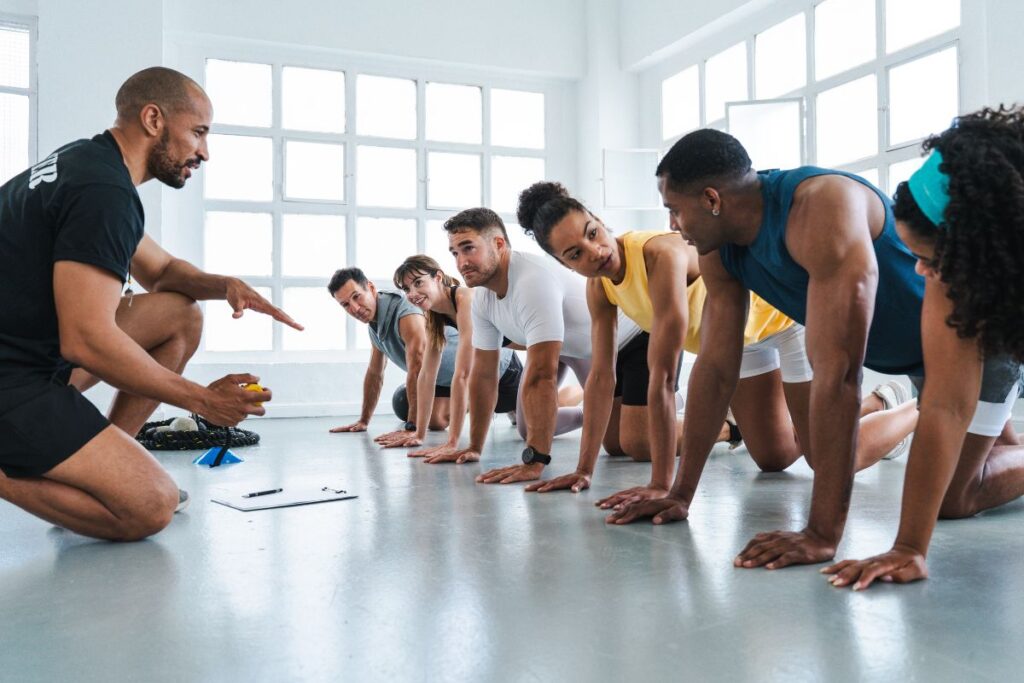
Understanding Adaptive Fitness Training
Adaptive fitness training represents a specialized approach to exercise that modifies traditional fitness activities to accommodate various disabilities while maintaining the effectiveness and benefits of physical activity. This inclusive approach recognizes that everyone can participate in meaningful fitness activities when programs are properly adapted and supported.
Our Melbourne-based adaptive fitness programs understand that people with disabilities often face barriers to accessing mainstream fitness opportunities, including inaccessible facilities, inappropriate equipment, and lack of trained staff. We address these challenges by providing specially designed programs that welcome all participants and adapt to individual needs and abilities.
The Importance of Fitness for People with Disabilities
Regular physical activity provides crucial benefits for individuals with disabilities including improved cardiovascular health, increased strength and endurance, better pain management, enhanced mood and mental health, reduced risk of secondary health conditions, and greater independence in daily activities.
Research consistently demonstrates that people with disabilities who participate in regular adaptive fitness training experience better overall health outcomes, reduced healthcare costs, improved quality of life, and greater community participation compared to those who remain sedentary.
Comprehensive Exercise Programs for People with Disabilities
Our exercise programs disabled participants encompass various fitness modalities and training approaches designed to meet diverse needs, abilities, and goals while ensuring safety, accessibility, and meaningful participation for all fitness levels.
Cardiovascular Training Adaptations
Wheelchair-based cardio programs provide excellent aerobic exercise opportunities through activities such as wheelchair racing techniques, interval training, and endurance building designed specifically for wheelchair users of all skill levels.
Upper body cardiovascular training accommodates individuals with lower limb limitations through arm cycling, seated boxing movements, and resistance-based cardio activities that elevate heart rate and improve cardiovascular fitness.
Pool-based aerobic exercise utilizes water’s buoyancy and resistance properties to provide low-impact cardiovascular training that reduces joint stress while building endurance and cardiovascular health for various disability types.
Interval training modifications provide high-intensity interval training (HIIT) adaptations that can be performed by individuals with various disabilities, offering efficient cardiovascular exercise in shorter time periods with appropriate rest intervals.
Flexibility and Mobility Programs
Range of motion exercises help maintain and improve joint flexibility while preventing contractures and managing muscle tension through gentle, therapeutic stretching routines adapted for various mobility levels.
Adaptive yoga programs provide modified yoga practices that accommodate wheelchairs, limited mobility, and various physical limitations while offering benefits of flexibility, relaxation, mindfulness, and stress reduction.
Tai Chi adaptations offer gentle, flowing movements that improve balance, coordination, and flexibility while being easily modified for seated positions or limited mobility requirements.
Stretching and relaxation techniques include guided stretching routines, breathing exercises, and relaxation methods that promote flexibility, pain management, and stress reduction for overall wellness.
Functional Movement Training
Activities of daily living enhancement focuses on exercises that directly improve functional capacity for daily tasks such as transfers, reaching, lifting, and mobility while building practical strength and coordination.
Balance and stability training addresses fall prevention and confidence building through progressive balance exercises adapted for various ability levels and mobility equipment requirements.
Coordination and motor skill development includes activities that improve hand-eye coordination, fine motor skills, and gross motor function through engaging, purposeful exercises and activities.
Posture and core strengthening programs address the fundamental importance of core stability for breathing, posture, pain management, and functional movement through adapted exercises suitable for various disabilities.
Specialized Strength Training for People with Disabilities
Our strength training disabled programs provide progressive resistance training opportunities that build muscle strength, bone density, and functional capacity while being fully adapted for various disability types and equipment needs.
Adaptive Resistance Training
Modified weight training uses adapted equipment, positioning modifications, and assistance techniques to help individuals with disabilities safely participate in progressive resistance training for muscle development and bone health.
Resistance band and elastic training provides accessible strength training options that require minimal equipment while offering variable resistance that can be easily adapted for different ability levels and disability types.
Bodyweight exercise adaptations modify traditional calisthenics and bodyweight exercises to accommodate various disabilities while providing effective strength training using individual body weight as resistance.
Functional strength training focuses on exercises that directly improve daily living abilities while building overall strength through movements that mimic real-world activities and challenges.
Equipment-Specific Training Programs
Wheelchair fitness training includes exercises specifically designed for wheelchair users that build upper body strength, improve wheelchair propulsion efficiency, and enhance overall fitness while seated.
Standing frame exercise programs utilize standing frames and supportive equipment to provide weight-bearing exercise opportunities for individuals with paralysis or severe mobility limitations.
Adaptive gym equipment training teaches safe and effective use of modified gym equipment including accessible weight machines, adapted cardio equipment, and assistive fitness devices.
Therapy ball and stability equipment programs use large therapy balls, balance equipment, and stability tools adapted for various disabilities to improve core strength, balance, and functional movement.
Progressive Training Approaches
Beginner-level adaptations provide gentle introduction to strength training for individuals new to exercise or returning to activity after injury or illness, focusing on safety and confidence building.
Intermediate progression programs advance exercise complexity and intensity for individuals ready for greater challenges while maintaining appropriate adaptations for disability-specific needs.
Advanced training opportunities provide challenging workouts for experienced adaptive fitness participants who want to pursue competitive goals or advanced fitness achievements.
Sport-specific conditioning programs prepare individuals for participation in adaptive sports including wheelchair basketball, swimming, cycling, and other competitive or recreational activities.
NDIS Integration and Health Goal Achievement
As a registered NDIS provider, our adaptive fitness training programs align with NDIS health and wellbeing objectives while supporting participants to build capacity for independent health management and community participation.
Health and Wellbeing Goal Support
NDIS plan alignment ensures adaptive fitness activities contribute to individual health and wellbeing goals while building capacity for long-term health management and independence.
Capacity building through fitness focuses on developing sustainable exercise habits, health knowledge, and self-management skills that support lifelong health and wellbeing independence.
Community participation through fitness includes accessing mainstream fitness facilities, joining community sports groups, and participating in recreational activities that promote social inclusion.
Our NDIS support coordination team can assist participants who need help integrating fitness services with other supports or developing comprehensive health and wellness plans.
Independence and Skill Development
Self-directed fitness skills help individuals develop ability to plan, implement, and maintain personal fitness routines with minimal ongoing support while achieving health goals.
Equipment use and safety training builds confidence and competence in using adaptive fitness equipment safely and effectively while understanding proper form and injury prevention.
Health monitoring and goal setting skills help individuals track their fitness progress, set realistic goals, and adjust their programs based on changing needs and abilities.
Community resource navigation teaches individuals how to access mainstream fitness facilities, adaptive sports programs, and community recreation opportunities for ongoing participation.
Melbourne-Specific Adaptive Fitness Resources
Melbourne’s excellent recreational infrastructure and inclusive community programs provide diverse opportunities for adaptive fitness training that takes advantage of local facilities, expertise, and community support.
Accessible Fitness Facilities
Public recreation center access includes Melbourne’s council-operated facilities that offer accessible equipment, adapted programs, and trained staff who welcome participants with disabilities.
Aquatic center utilization takes advantage of Melbourne’s numerous public pools that provide accessible facilities, therapeutic pools, and aquatic fitness programs designed for various disability types.
Adaptive gym and fitness center partnerships work with Melbourne’s fitness facilities that have invested in accessible equipment and staff training to provide inclusive fitness opportunities.
Outdoor fitness opportunities utilize Melbourne’s accessible parks, walking paths, and outdoor exercise equipment that provide free fitness options in beautiful, accessible environments.
Community Program Integration
Council-operated adaptive programs include fitness classes, sports programs, and recreational activities specifically designed for people with disabilities through local Melbourne councils.
Community center programming provides neighborhood-based adaptive fitness opportunities through suburban facilities that offer accessible programming and local community connections.
University and college programs partner with Melbourne’s educational institutions that offer adaptive fitness programs, research opportunities, and student-assisted training programs.
Healthcare facility programs coordinate with Melbourne’s hospitals and rehabilitation centers that provide ongoing fitness programs for individuals with specific health conditions.
Regional Melbourne Opportunities
Suburban adaptive fitness options ensure individuals across Melbourne’s metropolitan area can access appropriate fitness programs close to home through local facilities and community programs.
Outer Melbourne facility access provides fitness opportunities in regional areas through partnerships with local recreation centers, community facilities, and healthcare providers.
Transport accessible locations prioritize fitness facilities and programs that are easily accessible by public transport or provide transport assistance for participants with mobility challenges.
Technology and Innovation in Adaptive Fitness
Modern adaptive fitness training incorporates technology solutions that enhance accessibility, motivation, and progress tracking while providing innovative approaches to exercise for people with disabilities.
Assistive Fitness Technology
Adaptive exercise equipment includes specialized machines, devices, and tools designed specifically for various disabilities to provide safe, effective exercise opportunities with appropriate modifications.
Virtual reality fitness programs provide immersive exercise experiences that can accommodate various disabilities while offering engaging, motivating fitness activities through innovative technology.
Fitness tracking and monitoring technology helps individuals monitor progress, track goals, and maintain motivation through accessible apps and devices adapted for various disabilities and abilities.
Communication and instruction technology includes visual, audio, and tactile instruction methods that ensure effective fitness guidance for individuals with various communication and sensory needs.
Online and Remote Fitness Support
Virtual personal training provides remote fitness instruction and support that accommodates individuals who cannot access traditional fitness facilities while maintaining professional guidance and safety.
Online adaptive fitness programs offer structured exercise routines that can be performed at home with minimal equipment while providing variety and progression for home-based fitness.
Telehealth integration connects fitness programs with healthcare providers for comprehensive health management that includes adaptive fitness as part of overall health and wellness planning.
Digital community building creates online support networks for individuals participating in adaptive fitness programs while providing motivation, sharing, and peer encouragement.
Innovative Training Methods
Functional electrical stimulation (FES) training uses electrical stimulation to activate paralyzed muscles during exercise, providing unique training opportunities for individuals with spinal cord injuries.
Exoskeleton and robotic assistance technology provides advanced training opportunities for individuals with mobility limitations through assistive devices that enable new forms of exercise participation.
Biofeedback and monitoring systems provide real-time feedback about exercise performance, muscle activation, and physiological responses to help optimize training effectiveness and safety.
Gamification and motivational technology make adaptive fitness more engaging through interactive games, virtual challenges, and reward systems that encourage consistent participation.
Safety and Risk Management
Ensuring safety in adaptive fitness training requires comprehensive assessment, ongoing monitoring, and appropriate modifications while maintaining opportunities for challenge and fitness development.
Comprehensive Safety Protocols
Individual health assessment evaluates each participant’s medical conditions, medications, and contraindications to develop personalized safety plans for adaptive fitness participation.
Exercise modification and progression ensure all fitness activities are appropriately adapted for current abilities and safety requirements while maintaining effectiveness and appropriate challenge.
Emergency response planning includes protocols for managing medical emergencies, equipment failures, or adverse responses during adaptive fitness training with appropriate first aid procedures.
Equipment safety and maintenance ensure all adaptive fitness equipment functions properly and safely while meeting accessibility requirements and disability-specific needs.
Medical Coordination and Monitoring
Healthcare provider communication ensures adaptive fitness programs align with medical recommendations while maintaining regular communication about health changes affecting exercise participation.
Medication consideration addresses how medications may affect exercise capacity, heart rate response, and safety while adapting fitness programs accordingly with healthcare provider input.
Condition-specific monitoring includes ongoing assessment of how exercise affects underlying health conditions while adjusting programs to optimize health outcomes and prevent complications.
Contraindication awareness ensures fitness activities avoid exercises that may be harmful for specific conditions while maintaining beneficial training components and alternatives.
Specialized Programs for Different Disabilities
Our adaptive fitness training programs are specifically designed for various disability types, ensuring appropriate exercise approaches that maximize benefits while maintaining safety and enjoyment.
Spinal Cord Injury Fitness Programs
Wheelchair fitness training includes upper body strengthening, cardiovascular conditioning, and functional training specifically designed for individuals with various levels of spinal cord injury.
FES cycling and standing programs utilize functional electrical stimulation to activate paralyzed muscles for cycling and standing exercises that provide unique cardiovascular and bone health benefits.
Pressure relief and skin health exercises address the specific needs of individuals at risk for pressure sores through appropriate positioning, movement, and strength training modifications.
Temperature regulation and autonomic considerations adapt exercise programs for individuals with limited temperature regulation and autonomic function to ensure safe participation.
Acquired Brain Injury Fitness Programs
Cognitive and physical integration addresses the dual challenges of cognitive and physical rehabilitation through exercises that challenge both cognitive function and physical capacity.
Balance and coordination training focuses on rebuilding movement skills and preventing falls through progressive balance exercises adapted for various recovery stages.
Fatigue management strategies help individuals with brain injury participate in fitness activities while managing energy levels and avoiding overexertion that may impede recovery.
Behavioral and emotional support addresses the psychological aspects of fitness participation following brain injury while building confidence and positive associations with exercise.
Intellectual and Developmental Disability Programs
Social fitness activities provide group exercise opportunities that build social skills and friendships while improving physical health through fun, inclusive activities and games.
Routine and structure-based fitness helps individuals develop consistent exercise habits through predictable, enjoyable fitness routines that build confidence and skills.
Sensory-friendly fitness accommodates individuals with sensory sensitivities through appropriate environments, equipment, and activity modifications that ensure comfortable participation.
Life skills integration includes exercises that improve daily living abilities while building physical fitness through functional movement training and practical activity practice.
Sensory Impairment Fitness Programs
Vision impairment adaptations provide safe, accessible exercise opportunities through audio instruction, tactile cues, and environmental modifications that enable full participation.
Hearing impairment accommodations include visual instruction methods, vibration cues, and communication adaptations that ensure effective fitness participation and safety.
Dual sensory impairment support provides specialized approaches for individuals with both vision and hearing challenges while ensuring safe, effective fitness participation.
Building Long-term Fitness Habits
Effective adaptive fitness training focuses on developing sustainable exercise habits and lifestyle changes that continue beyond formal programs while supporting lifelong health and wellbeing.
Habit Formation and Sustainability
Exercise routine development creates lasting patterns of physical activity that become integrated into daily life while remaining flexible enough to accommodate changing circumstances and abilities.
Motivation and goal setting strategies help individuals maintain consistent fitness participation through realistic goal setting, progress tracking, and celebration of achievements.
Problem-solving and adaptation skills help individuals modify their fitness routines based on changing health, abilities, or life circumstances while maintaining exercise benefits and enjoyment.
Self-monitoring and progression capabilities enable individuals to assess their progress, adjust their programs, and seek appropriate guidance when needed for continued improvement.
Community Integration and Independence
Mainstream facility transition helps individuals develop skills and confidence to access community fitness facilities and programs independently while maintaining adaptive modifications as needed.
Peer support and mentoring opportunities connect individuals with others who have similar disabilities or fitness goals while building supportive relationships for ongoing motivation.
Family and caregiver education helps support networks understand how to encourage and assist with fitness goals while respecting individual autonomy and independence.
Long-term health planning integrates adaptive fitness into comprehensive health management approaches while adapting to aging, condition changes, or evolving health needs.
Getting Started with Adaptive Fitness Training
Beginning adaptive fitness training requires careful assessment of current abilities, health status, and goals to develop safe, effective, and enjoyable exercise programs tailored to individual needs.
Initial Assessment and Program Design
Comprehensive fitness and health evaluation assesses current physical abilities, medical conditions, fitness goals, and preferences to develop appropriate adaptive fitness programs.
Individual goal setting and motivation exploration help identify personal reasons for pursuing fitness while establishing realistic, achievable objectives that provide direction and purpose.
Disability-specific assessment evaluates how specific conditions affect exercise capacity and safety while identifying appropriate modifications and adaptive strategies for optimal participation.
Equipment and environmental needs assessment determines necessary adaptive equipment, facility requirements, and environmental modifications needed for safe, effective participation.
Program Implementation and Progression
Gradual program introduction allows comfortable adjustment to adaptive fitness activities through progressive exercise introduction that builds confidence and competence.
Skill development and technique training provide instruction in proper exercise form, equipment use, and safety procedures while building competence and confidence in fitness activities.
Progress monitoring and adjustment include ongoing assessment of fitness improvements, goal achievement, and program effectiveness while making necessary modifications for continued benefit.
Safety protocols and emergency procedures ensure all participants understand safety requirements and emergency procedures while maintaining appropriate medical oversight and support.
Long-term Planning and Support
Independence development progression gradually builds self-directed fitness capabilities while maintaining appropriate support and safety considerations for ongoing success.
Community resource transition helps individuals access ongoing fitness opportunities through community programs and facilities that support long-term health and fitness participation.
Maintenance and follow-up planning ensure fitness habits are maintained over time while providing access to additional support when needed for health changes or new challenges.
Adaptation and evolution planning prepares individuals for adjusting fitness routines based on changing abilities, health status, or life circumstances while maintaining commitment to physical activity.
Frequently Asked Questions
What makes adaptive fitness training different from regular fitness programs?
Adaptive fitness training specifically modifies exercises, equipment, and instruction methods to accommodate various disabilities while maintaining effectiveness. Programs are designed to be inclusive and accessible for all ability levels.
Do I need medical clearance to participate in adaptive fitness training?
While medical clearance is recommended, especially for individuals with complex health conditions, we work with participants to obtain appropriate medical guidance and develop safe exercise programs.
What types of disabilities can participate in adaptive fitness programs?
Our programs accommodate virtually all disability types including physical disabilities, intellectual disabilities, sensory impairments, and mental health conditions through appropriate modifications and support.
What equipment do you use for adaptive fitness training?
We use specialized adaptive equipment including wheelchair-accessible machines, modified weights, resistance bands, therapy balls, and assistive devices designed specifically for various disabilities.
Can family members or caregivers participate in fitness programs?
Yes, we welcome family involvement and can provide family fitness activities that support shared health goals while building relationships and encouraging ongoing fitness participation.
How do you ensure safety during adaptive fitness training?
We conduct comprehensive assessments, provide trained supervision, use appropriate adaptive equipment, coordinate with healthcare providers, and implement emergency protocols while respecting individual abilities.
What areas of Melbourne do you provide adaptive fitness training?
We provide services across Melbourne metropolitan areas including partnerships with accessible facilities, community programs, and home-based options depending on individual needs and preferences.
How much do adaptive fitness training programs cost?
Costs vary based on program type, frequency, and individual needs. Our services align with NDIS funding guidelines, and we provide detailed information about costs and funding options.
Ready to start your fitness journey with professional adaptive training designed specifically for your abilities and goals? Contact Claddagh Support Services today to discuss your fitness interests and learn how our adaptive fitness training programs can help you achieve better health, increased strength, and enhanced quality of life. Call us to arrange a fitness assessment and discover why Melbourne residents with disabilities choose us for inclusive, effective exercise programs.