
Professional Companion Care Services Melbourne Carer Relief & Home Nursing
Other Services:
Get in Tuch
Meaningful companionship and professional care support are essential for maintaining quality of life, emotional wellbeing, and independence for individuals with disabilities. At Claddagh Support Services, our comprehensive companion care services provide personalized support that goes beyond basic care to include friendship, emotional support, and meaningful engagement. Our specialized carer relief services and professional home nursing care programs offer families flexible, reliable support that enhances the lives of individuals with disabilities while providing essential relief for family carers.
Understanding Companion Care Services
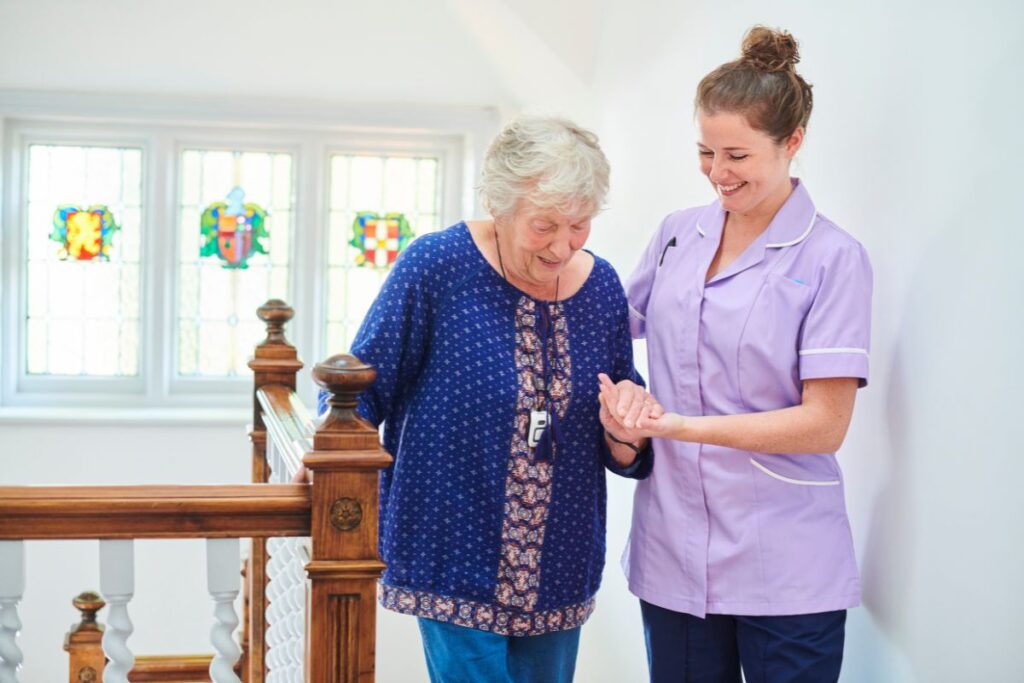
Companion care services represent a holistic approach to disability support that recognizes the fundamental human need for social connection, emotional support, and meaningful interaction. Unlike task-focused care, companion care emphasizes building genuine relationships while providing professional support that enhances quality of life and promotes emotional wellbeing.
Our Melbourne-based companion care programs understand that loneliness and social isolation can significantly impact mental health and overall wellbeing for individuals with disabilities. We provide compassionate, professional companions who offer friendship, emotional support, and meaningful engagement while ensuring safety, comfort, and individual dignity.
The Importance of Companionship in Disability Care
Social connection and emotional support are fundamental to human wellbeing, yet individuals with disabilities often experience higher rates of social isolation and loneliness. Companion care addresses these challenges by providing consistent, meaningful relationships that enhance emotional health and life satisfaction.
Research demonstrates that individuals who receive quality companion care experience improved mental health, greater life satisfaction, enhanced social skills, and better overall health outcomes. Companion care also provides practical benefits including increased safety through regular monitoring and support for maintaining independence in home and community environments.
Comprehensive Companion Care Support
Our companion care services encompass emotional support, social interaction, practical assistance, and professional monitoring that creates comprehensive support for individuals with disabilities while respecting their autonomy and promoting their wellbeing.
Emotional Support and Mental Wellbeing
Emotional companionship provides understanding, empathy, and supportive relationships that help individuals cope with challenges, celebrate achievements, and maintain positive mental health through consistent, caring interaction.
Active listening and emotional validation help individuals express their feelings, concerns, and experiences in supportive environments where they feel heard, understood, and valued for their thoughts and perspectives.
Mental health support includes recognizing signs of depression, anxiety, or emotional distress while providing appropriate emotional support and coordinating with mental health professionals when additional intervention is needed.
Grief and loss support helps individuals cope with the emotional challenges of disability, loss of abilities, relationship changes, or other life transitions through compassionate understanding and professional guidance.
Social Interaction and Engagement
Conversation and communication support help individuals maintain and develop communication skills through regular, meaningful interaction that stimulates cognitive function and promotes social confidence.
Social skill development through natural interaction helps individuals practice appropriate social behaviors, communication techniques, and relationship skills in comfortable, supportive environments.
Friendship development focuses on building genuine, caring relationships between companions and individuals that provide ongoing emotional support and social connection beyond formal care arrangements.
Community social integration includes support for maintaining relationships with family, friends, and community members while building new social connections through community participation and activities.
Recreational and Enrichment Activities
Hobby and interest support encourages individuals to pursue personal interests, develop new skills, and engage in meaningful activities that provide satisfaction, accomplishment, and personal fulfillment.
Arts and creative activities including painting, music, crafts, or writing provide outlets for self-expression, creativity, and personal enjoyment while building confidence and developing new abilities.
Reading and educational support help individuals stay mentally active through books, newspapers, educational programs, or learning opportunities that stimulate cognitive function and provide intellectual engagement.
Entertainment and media engagement includes watching movies, listening to music, playing games, or using technology for entertainment in ways that provide enjoyment and social interaction.
Practical Life Support
Daily routine assistance helps individuals maintain structured, meaningful daily activities that promote health, wellbeing, and independence while providing gentle guidance and encouragement.
Light household support may include simple tasks such as organizing personal items, light cleaning, or meal preparation assistance that helps maintain comfortable, organized living environments.
Appointment coordination and reminders help individuals maintain important medical appointments, therapy sessions, or social commitments while building organizational skills and independence.
Medication reminders and monitoring provide gentle assistance with medication compliance while observing for side effects or health changes that may require professional medical attention.
Specialized Carer Relief Services
Our carer relief services provide family carers with essential breaks while ensuring individuals with disabilities receive quality companion care that maintains their routines, comfort, and emotional wellbeing during family carer absences.
Planned Carer Relief
Scheduled respite support provides regular, predictable breaks for family carers through planned companion care visits that allow carers to rest, pursue personal interests, or attend to other responsibilities.
Day-time relief services enable family carers to work, attend appointments, or take breaks during daytime hours while knowing their loved ones receive professional companion care and supervision.
Evening and weekend relief provides family carers with opportunities for social activities, rest, or personal time during evenings and weekends when companion care support is available.
Extended relief arrangements can provide longer breaks for family carers who need time for travel, personal health needs, or extended rest periods while ensuring continuous companion care support.
Emergency Carer Relief
Crisis support provides immediate companion care assistance during family emergencies, medical situations, or unexpected circumstances when family carers are suddenly unavailable.
Short-notice relief accommodates urgent family carer needs with flexible companion care arrangements that can be implemented quickly while maintaining quality and safety standards.
Medical emergency support includes companion care during family medical crises, hospitalizations, or health emergencies when primary carers cannot provide their usual support.
Flexible response capabilities ensure companion care can adapt to various emergency situations while providing stability and continuity for individuals with disabilities during challenging periods.
Transition and Support Services
Hospital discharge support provides companion care during transitions from hospital to home, ensuring appropriate monitoring, medication compliance, and emotional support during recovery periods.
Service transition assistance helps individuals adjust to changes in care arrangements, new living situations, or other significant life transitions with supportive companion care during adjustment periods.
Respite care coordination ensures companion care integrates smoothly with other respite services while providing comprehensive support for both individuals and families.
Family coordination and communication maintain appropriate contact with family carers while respecting individual privacy and autonomy during companion care periods.
Professional Home Nursing Care Integration
Our home nursing care components provide medical monitoring, health support, and coordination with healthcare providers while maintaining the companionship focus that enhances emotional and social wellbeing.
Health Monitoring and Assessment
Vital sign monitoring includes regular assessment of blood pressure, temperature, pulse, and other basic health indicators while providing companionship and emotional support during health monitoring activities.
Medication management and compliance includes assistance with medication organization, reminders, and monitoring for side effects while coordinating with healthcare providers when concerns arise.
Symptom observation and reporting help identify changes in health condition, behavior, or wellbeing that may require medical attention while providing ongoing health awareness and advocacy.
Healthcare appointment support includes accompanying individuals to medical appointments, providing communication assistance, and helping coordinate healthcare information and treatment plans.
Chronic Condition Support
Diabetes management support includes blood glucose monitoring assistance, dietary awareness, medication reminders, and recognition of diabetes-related symptoms while providing companionship during health management activities.
Heart condition monitoring provides awareness of cardiac symptoms, medication compliance support, and activity modification guidance while ensuring appropriate medical coordination and emergency response.
Respiratory condition support includes monitoring breathing patterns, assisting with medication administration, and recognizing respiratory distress while providing emotional support during health challenges.
Pain management support helps individuals cope with chronic pain through comfort measures, activity modification, and coordination with healthcare providers while providing emotional understanding and encouragement.
Rehabilitation and Recovery Support
Post-surgery recovery support provides companionship and assistance during recovery periods while monitoring healing progress, medication compliance, and activity restrictions under healthcare provider guidance.
Therapy support coordination helps individuals maintain physiotherapy, occupational therapy, or speech therapy goals through encouragement, practice assistance, and therapy appointment coordination.
Mental health recovery support includes understanding mental health conditions, medication compliance assistance, and coordination with mental health professionals while providing emotional support and stability.
Wellness promotion includes encouraging healthy lifestyle choices, supporting exercise routines, and promoting preventive health measures while providing companionship and motivation for healthy living.
NDIS Integration and Goal Alignment
As a registered NDIS provider, our companion care services align with NDIS goals of social participation, independence, and wellbeing while providing essential support that enhances quality of life and community participation.
Social and Community Participation Goals
Social connection development through companion care helps achieve NDIS social participation goals by providing meaningful relationships and social interaction that reduce isolation and enhance wellbeing.
Community engagement support includes assistance with accessing community resources, participating in social activities, and building community connections through companion care that facilitates community participation.
Community access coordination ensures companion care supports broader community participation goals while providing necessary social support and assistance.
Relationship building and maintenance help individuals develop and maintain meaningful relationships with family, friends, and community members through supportive companion care that enhances social skills.
Independence and Life Skills Development
Decision-making support through companion care encourages individuals to make choices about daily activities, social interactions, and personal preferences while providing guidance and support for independent decision-making.
Life skills practice during companion care includes opportunities to develop household management, communication, and social skills through natural interaction and gentle guidance.
Goal achievement support ensures companion care activities contribute to individual NDIS objectives and personal goals while providing meaningful interaction and emotional support.
Our NDIS support coordination team can assist participants who need help integrating companion care with other services or developing comprehensive support plans.
Melbourne-Specific Companion Care
Melbourne’s diverse communities and extensive resources provide rich opportunities for meaningful companion care that takes advantage of local attractions, cultural diversity, and community resources while maintaining personalized support.
Inner Melbourne Companionship Opportunities
Urban cultural engagement includes visits to Melbourne’s museums, galleries, theaters, and cultural venues that provide stimulating, educational experiences with companion support and social interaction.
City park and garden visits take advantage of Melbourne’s beautiful urban green spaces including Royal Botanic Gardens, Fitzroy Gardens, and local parks for peaceful, therapeutic outdoor time with companions.
Café culture participation includes social outings to Melbourne’s famous café scene for coffee, meals, or social interaction that provides community engagement and cultural experience with companion support.
Public transport confidence building helps individuals use Melbourne’s excellent public transport system for community access while providing companion support for navigation and social interaction.
Suburban Melbourne Companion Services
Neighborhood integration support helps individuals build connections with local suburban communities through companion care that facilitates participation in local activities and services.
Shopping center socialization includes visits to suburban shopping centers for practical needs and social interaction while providing companion support for navigation and community engagement.
Local recreation access includes visits to suburban recreational facilities, community centers, and parks that provide accessible, enjoyable activities with companion support and social interaction.
Community event participation helps individuals engage with local suburban events, festivals, and activities while providing companion support for social interaction and community participation.
Cultural and Diversity Considerations
Multicultural companionship support respects and celebrates Melbourne’s cultural diversity by providing culturally competent companion care that understands different cultural backgrounds and communication styles.
Language support and cultural bridge-building help individuals from non-English speaking backgrounds maintain cultural connections while building confidence in English communication through patient companion support.
Religious and spiritual support includes accompaniment to religious services, cultural celebrations, or spiritual activities when desired while respecting individual beliefs and practices.
Intergenerational interaction opportunities help individuals connect with different age groups through community activities, volunteer opportunities, or social programs with appropriate companion support.
Technology and Modern Companionship
Contemporary companion care incorporates appropriate technology to enhance communication, entertainment, and social connection while building digital literacy skills and confidence with modern communication methods.
Digital Communication and Social Connection
Video calling support helps individuals maintain relationships with distant family and friends through technology while providing assistance with video communication platforms and digital social interaction.
Social media guidance provides safe, appropriate support for individuals who wish to use social media platforms for social connection while understanding privacy, safety, and appropriate online interaction.
Email and messaging assistance helps individuals maintain communication with family, friends, and community contacts through digital communication methods with appropriate support and guidance.
Online community participation can include support for joining online interest groups, educational programs, or social communities that align with individual interests and provide social connection.
Entertainment and Engagement Technology
Television and streaming service navigation helps individuals access entertainment content, news, and educational programming while providing companion support for media enjoyment and discussion.
Gaming and interactive entertainment provide opportunities for cognitive stimulation, entertainment, and social interaction through appropriate games and interactive technology with companion support.
Music and audio entertainment support includes assistance with music streaming, podcasts, or audio books that provide enjoyment, relaxation, and intellectual stimulation with companion interaction.
Photography and digital creativity can include support for using cameras, tablets, or smartphones for creative expression and memory-making during companion care activities.
Health and Safety Technology
Emergency alert systems provide safety backup through personal emergency devices and monitoring technology while maintaining companion care support for daily activities and social interaction.
Health monitoring apps and devices can be integrated into companion care when appropriate, providing support for health tracking, medication reminders, and wellness monitoring with companion assistance.
Communication aids and assistive technology support ensure individuals who use alternative communication devices receive appropriate assistance and companion support for effective communication and social interaction.
Quality Assurance and Professional Standards
Maintaining high standards in companion care requires comprehensive training, ongoing supervision, and quality monitoring to ensure meaningful, safe, and beneficial companion relationships and support.
Staff Training and Competency
Companion care specialized training ensures workers understand the unique aspects of companionship including relationship building, emotional support, appropriate boundaries, and maintaining professional yet caring relationships.
Communication and active listening training helps companion care workers develop skills for meaningful conversation, emotional support, and understanding individual communication styles and preferences.
Mental health awareness training provides knowledge about recognizing mental health challenges, providing appropriate emotional support, and knowing when to seek additional professional intervention.
Cultural competency training ensures companion care workers can provide appropriate support across diverse cultural backgrounds while respecting individual beliefs, practices, and communication styles.
Relationship Development and Boundaries
Professional relationship boundaries ensure companion care maintains appropriate limits while building genuine, caring relationships that provide emotional support and meaningful interaction.
Individual preference respect ensures companion care adapts to personal communication styles, social comfort levels, and relationship preferences while maintaining professional standards and safety.
Confidentiality and privacy protection maintain appropriate discretion about personal information while building trusting relationships that encourage open communication and emotional expression.
Ethical companion care practice ensures all interactions maintain dignity, respect, and individual autonomy while providing meaningful support and genuine caring relationships.
Safety and Wellbeing Monitoring
Individual wellbeing assessment includes ongoing observation of emotional, physical, and social wellbeing while providing companion support that promotes overall health and life satisfaction.
Risk awareness and management ensure companion care workers can identify potential safety concerns, health changes, or emotional distress while maintaining positive, supportive relationships.
Emergency response training ensures companion care workers can respond appropriately to medical emergencies, behavioral crises, or other urgent situations while maintaining safety and appropriate communication.
Quality monitoring and feedback include regular evaluation of companion care effectiveness, relationship quality, and individual satisfaction to ensure optimal outcomes and continuous improvement.
Building Meaningful Relationships
Effective companion care focuses on developing genuine, caring relationships that provide lasting emotional support and social connection while maintaining professional standards and appropriate boundaries.
Friendship and Trust Development
Gradual relationship building allows companion care relationships to develop naturally over time through shared activities, communication, and mutual respect that creates genuine friendship within professional contexts.
Trust establishment occurs through consistent, reliable companion care that demonstrates caring, respect, and understanding while maintaining professional boundaries and safety standards.
Shared interest exploration helps identify common interests, hobbies, or activities that provide foundation for meaningful interaction and relationship development during companion care.
Mutual respect and understanding create companion care relationships based on dignity, individual worth, and appreciation for personal perspectives and experiences.
Long-term Relationship Maintenance
Consistent companion care providers enable deep, meaningful relationships to develop over time through regular interaction with the same companion care workers when possible and desired.
Relationship evolution allows companion care relationships to deepen and adapt over time while maintaining professional standards and continuing to meet changing emotional and social needs.
Celebration and milestone sharing include recognizing birthdays, achievements, holidays, and personal milestones that strengthen companion care relationships and provide emotional support.
Legacy and memory building help create positive memories and lasting impact through meaningful companion care relationships that enhance life satisfaction and emotional wellbeing.
Getting Started with Companion Care Services
Beginning companion care requires careful assessment of individual needs, preferences, and goals to develop personalized approaches that create meaningful relationships and effective support.
Initial Assessment and Matching
Comprehensive companion care assessment explores social needs, emotional support requirements, communication styles, interests, and relationship preferences to develop appropriate companion care plans.
Personality and compatibility evaluation helps match individuals with companion care workers who share interests, communication styles, and personal characteristics that promote positive relationship development.
Goal setting and expectation clarification ensure companion care services align with individual objectives for social connection, emotional support, and quality of life enhancement.
Individual preference exploration includes understanding communication styles, activity interests, social comfort levels, and relationship boundaries that guide companion care delivery.
Service Introduction and Relationship Building
Gradual introduction approach allows comfortable adjustment to companion care through initial shorter visits that build familiarity and trust before establishing regular companion care relationships.
Activity exploration and shared interest identification help establish foundation activities and conversation topics that support relationship development and meaningful interaction.
Communication style adaptation ensures companion care workers understand and adapt to individual communication preferences, styles, and comfort levels for effective interaction.
Trust building activities and consistent interaction help establish reliable, caring relationships through dependable companion care that demonstrates genuine interest and concern.
Ongoing Service Development
Regular relationship evaluation ensures companion care continues to meet emotional and social needs while adapting to changing circumstances and developing deeper connections over time.
Service enhancement opportunities may include expanding activities, developing new shared interests, or adjusting companion care approaches based on relationship development and changing preferences.
Goal achievement monitoring tracks progress in social connection, emotional wellbeing, and quality of life improvements that result from effective companion care relationships.
Long-term planning integration ensures companion care supports broader life goals and continues to provide meaningful relationship and emotional support as needs and circumstances evolve.
Frequently Asked Questions
What is the difference between companion care and personal care?
Companion care focuses on emotional support, social interaction, and meaningful relationships, while personal care involves assistance with daily living activities. Companion care emphasizes friendship and emotional wellbeing alongside practical support.
How do you match individuals with companion care workers?
We consider personality, interests, communication styles, cultural background, and individual preferences to match compatible companion care workers who can build genuine, caring relationships with each person.
Can companion care workers provide light nursing or health support?
Yes, our companion care workers can provide basic health monitoring, medication reminders, and coordination with healthcare providers while maintaining focus on emotional support and social interaction.
What activities are included in companion care services?
Activities are personalized based on individual interests and may include conversation, hobbies, community outings, light household tasks, entertainment, reading, games, and any activities that provide meaningful engagement.
How does companion care support family carers?
Companion care provides essential relief for family carers while ensuring their loved ones receive quality emotional support and social interaction, allowing carers to rest, work, or attend to personal needs.
What areas of Melbourne do you provide companion care services?
We provide companion care services across all Melbourne metropolitan areas, adapting to local community resources and individual preferences for activities and social engagement.
Can companion care help with social isolation and loneliness?
Yes, companion care specifically addresses social isolation by providing meaningful relationships, regular social interaction, and emotional support that significantly improve mental health and life satisfaction.
How do you ensure quality and safety in companion care?
We maintain rigorous staff training, ongoing supervision, background checks, and quality monitoring while focusing on building genuine, caring relationships that provide emotional support and safety.
Ready to experience the warmth and support of professional companion care that enhances quality of life and provides meaningful relationships? Contact Claddagh Support Services today to discuss your companion care needs and learn how our caring team can provide the friendship, emotional support, and carer relief your family needs. Call us to arrange a consultation and discover why Melbourne families trust us for compassionate, professional companion care services.