
Overnight Respite Care Melbourne Short Term Accommodation Services
Other Services:
Get in Tuch
Extended breaks are essential for family carers to maintain their own health, relationships, and capacity to provide ongoing care. At Claddagh Support Services, our comprehensive overnight respite care programs provide families with longer relief periods while ensuring individuals with disabilities receive professional, compassionate care in safe, comfortable environments. Our specialized short term accommodation services and carefully planned respite services offer flexible, reliable support that allows carers to rest, travel, or attend to personal needs while knowing their loved ones are well-cared for around the clock.
Understanding Overnight Respite Care
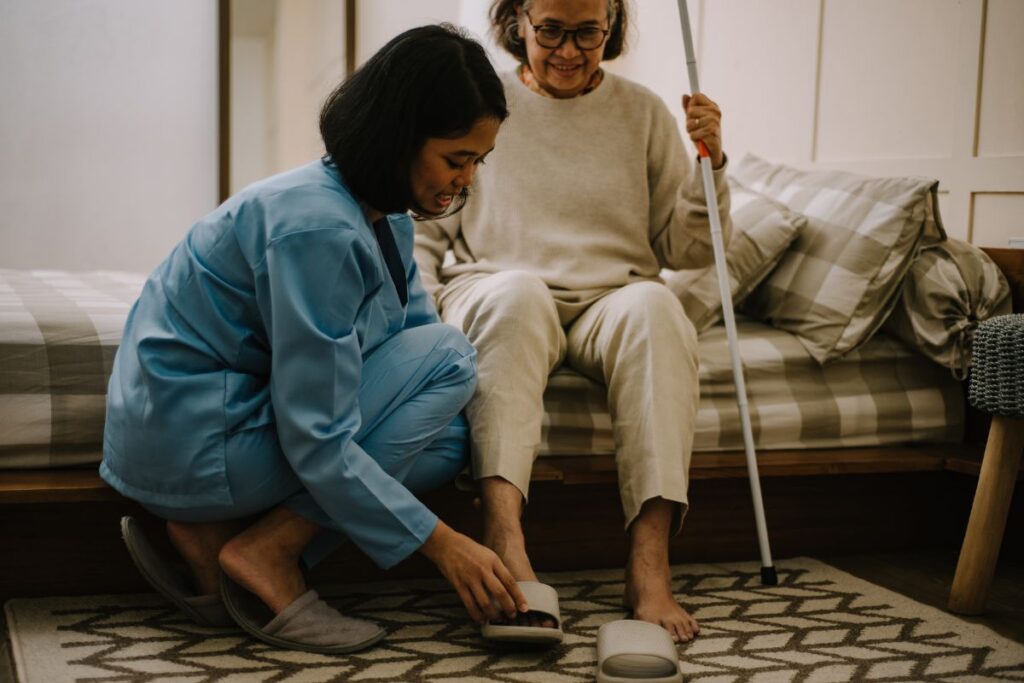
Overnight respite care provides extended relief for family carers through professional support that spans multiple days and nights, allowing families to take meaningful breaks while ensuring continuous, quality care for individuals with disabilities. This essential service recognizes that effective carer relief often requires more than a few hours of support.
Our Melbourne-based overnight respite programs understand that extended respite serves multiple purposes including preventing carer burnout, enabling family holidays, providing emergency support during family crises, and offering individuals with disabilities opportunities for new experiences and social connections outside their immediate family environment.
The Benefits of Extended Respite Care
Overnight respite care provides unique benefits that shorter respite options cannot achieve, including complete mental and physical rest for carers, opportunities for family relationship maintenance, and extended experiences for individuals with disabilities that can build confidence and independence.
Research demonstrates that families who access regular overnight respite experience significantly reduced stress levels, better physical health, stronger family relationships, and greater long-term sustainability in their caring roles. Extended respite also provides individuals with disabilities valuable opportunities for personal growth, social interaction, and community participation in supported environments.
Comprehensive Short Term Accommodation Services
Our short term accommodation services provide safe, comfortable environments where individuals with disabilities can stay overnight while receiving professional care and support. These services are designed to feel welcoming and homelike rather than institutional, promoting comfort and positive experiences.
Residential Overnight Care
Home-style accommodation provides comfortable, accessible living environments that feel welcoming and familiar while ensuring all necessary support and safety measures are in place for extended stays.
24-hour professional supervision ensures continuous care and safety monitoring throughout overnight stays while maintaining comfortable, non-intrusive environments that promote rest and relaxation.
Personal care and daily living support includes assistance with all aspects of personal care, medication management, mobility support, and daily routines that maintain health, comfort, and individual preferences.
Meal planning and preparation provides nutritious, enjoyable meals that accommodate dietary requirements, preferences, and cultural considerations while promoting social interaction during meal times.
Specialized Overnight Support
Medical care coordination ensures appropriate health monitoring, medication management, and access to healthcare services during extended stays while maintaining safety and wellbeing.
Behavioral support and routine maintenance help individuals feel comfortable and secure during overnight stays through familiar routines, positive support approaches, and understanding of individual needs and preferences.
Communication and social support provide meaningful interaction, companionship, and social engagement that prevent loneliness and promote positive experiences during extended respite periods.
Emergency response capabilities ensure immediate access to medical care, family contact, and emergency services while maintaining appropriate response protocols and safety measures.
Flexible Accommodation Options
Shared accommodation arrangements allow individuals to stay with compatible peers while receiving professional support, promoting social interaction and friendship development during respite periods.
Individual accommodation provides private spaces for individuals who prefer more personal environments while ensuring appropriate supervision and support availability throughout overnight stays.
Family-style group settings create homelike environments where small groups receive care together, promoting social interaction while maintaining individual attention and personalized care approaches.
Accessible and adaptive accommodation ensures all physical, communication, and support needs are met through appropriate environmental modifications and assistive technology availability.
Planned Respite Services and Coordination
Our planned respite services involve comprehensive preparation and coordination to ensure successful overnight experiences that meet both family relief needs and individual comfort and safety requirements.
Advance Planning and Preparation
Comprehensive planning consultation involves families in developing overnight respite arrangements that reflect individual needs, preferences, family schedules, and specific support requirements for successful extended care.
Pre-stay visits and orientation help individuals become familiar with accommodation environments, meet care staff, and understand routines before overnight stays to reduce anxiety and promote comfort.
Individual care planning develops detailed approaches to personal care, behavioral support, social interaction, and daily routines that maintain individual preferences and promote positive experiences.
Family coordination and communication establish clear expectations, emergency contact procedures, and communication preferences that keep families informed while allowing genuine relief from caring responsibilities.
Routine and Activity Planning
Daily routine development maintains familiar patterns while introducing appropriate variety and new experiences that can be beneficial and enjoyable during overnight respite periods.
Recreational and social activities provide meaningful engagement, skill development, and enjoyment through various activities including arts, games, outings, and social interaction opportunities.
Community participation opportunities may include visits to local attractions, participation in community activities, or social outings that build confidence and community connections during respite stays.
Personal development activities can include life skills practice, hobby pursuits, and learning opportunities that contribute to individual growth and goal achievement during extended respite.
Therapeutic and Development Integration
Therapy continuation ensures physiotherapy, occupational therapy, speech therapy, or other therapeutic interventions continue during overnight stays when appropriate and beneficial for individuals.
Goal-oriented activities align overnight respite experiences with individual NDIS goals and personal development objectives while providing meaningful experiences and family relief.
Skill building opportunities during overnight stays can include independence skills, social skills, and community participation skills that contribute to long-term development and confidence.
Health and wellness focus promotes physical and mental wellbeing through appropriate activities, nutrition, rest, and health monitoring during extended respite periods.
NDIS Integration and Funding
As a registered NDIS provider, our overnight respite care services align with NDIS short term accommodation funding and participant goals while providing essential relief for families and meaningful experiences for individuals with disabilities.
NDIS Short Term Accommodation Funding
Funding optimization helps families understand NDIS short term accommodation allocations and plan overnight respite use strategically to maximize benefits throughout the plan period.
Goal alignment ensures overnight respite activities contribute to individual NDIS goals including social participation, independence development, and community engagement while providing necessary family relief.
Service coordination with NDIS plans integrates overnight respite with other supports including personal care, community access, and therapy services for comprehensive support planning.
Our NDIS support coordination team can assist families who need help understanding overnight respite options, planning extended care arrangements, or coordinating multiple services.
Capacity Building Through Extended Respite
Independence skill development during overnight stays includes life skills practice, decision-making opportunities, and self-care activities that build confidence and autonomy in supportive environments.
Social skill development through group living and community participation helps individuals practice communication, relationship building, and social interaction in various contexts with professional support.
Community connection building during overnight respite helps individuals develop familiarity with community resources, build social networks, and gain confidence in community participation.
Personal growth opportunities through new experiences, challenges, and achievements during overnight stays contribute to overall development and self-esteem building.
Melbourne-Specific Accommodation and Activities
Melbourne’s diverse communities and extensive recreational resources provide rich opportunities for meaningful overnight respite experiences that combine quality care with enjoyable, enriching activities and environments.
Inner Melbourne Overnight Facilities
Urban accommodation options take advantage of inner Melbourne’s accessibility, cultural attractions, and community resources while providing comfortable, secure environments for overnight respite care.
Cultural and recreational access includes opportunities to visit museums, galleries, parks, and entertainment venues during overnight respite stays, providing stimulating experiences and community engagement.
Public transport accessibility enables community participation and independence skill building through supported use of Melbourne’s excellent public transport system during overnight respite.
Medical facility proximity ensures rapid access to healthcare services, specialists, and emergency medical care while maintaining confidence and safety during extended respite periods.
Suburban Melbourne Respite Accommodation
Residential neighborhood settings provide quiet, comfortable environments that feel homelike while offering access to local community resources and recreational facilities.
Local community integration opportunities help individuals connect with suburban communities during overnight stays while experiencing different environments and social contexts.
Park and recreation access includes beautiful suburban parks, recreational facilities, and community centers that provide peaceful, accessible environments for activities and relaxation.
Shopping and practical skills development through visits to local shopping centers and community facilities provide opportunities for life skills practice and community familiarity.
Accessible and Adaptive Environments
Wheelchair accessible accommodation ensures individuals with mobility limitations can access all areas and participate fully in overnight respite experiences with dignity and independence.
Sensory-friendly environments accommodate individuals with autism or sensory sensitivities through appropriate lighting, sound management, and environmental modifications that promote comfort and reduce anxiety.
Communication support facilities ensure individuals who use alternative communication methods have access to appropriate technology and support for effective communication during overnight stays.
Medical equipment accommodation provides appropriate storage, maintenance, and use of medical equipment, mobility aids, and assistive technology needed during extended respite periods.
Specialized Overnight Care for Different Needs
Our overnight respite care programs are specifically designed to accommodate various disability types and support requirements, ensuring appropriate care approaches that maintain safety, comfort, and individual preferences during extended stays.
Physical Disability Overnight Support
Mobility and transfer assistance ensures individuals with physical disabilities receive appropriate help with movement, positioning, and transfers during overnight stays while maintaining dignity and comfort.
Medical care management includes complex medical needs, equipment maintenance, health monitoring, and coordination with healthcare providers during extended respite periods.
Pain management and comfort support provide understanding and appropriate responses to chronic pain conditions while ensuring individuals remain comfortable and well-supported throughout overnight stays.
Assistive technology support ensures wheelchairs, communication devices, and other essential equipment function properly and safely during overnight respite while maintaining independence.
Intellectual and Developmental Disability Care
Communication and behavioral support provides understanding of individual communication styles, behavioral needs, and support strategies that ensure positive overnight experiences for individuals with intellectual disabilities.
Routine maintenance and adaptation help maintain stability and comfort for individuals who rely on consistent routines while introducing appropriate variety and new experiences during overnight stays.
Social interaction and friendship opportunities during overnight respite can contribute to social skill development and relationship building while providing meaningful community participation.
Life skills development opportunities include household tasks, personal care skills, and community participation that build independence and confidence in supportive overnight environments.
Mental Health and Psychosocial Support
Mental health awareness and monitoring provide understanding of fluctuating symptoms, medication effects, and appropriate responses that ensure wellbeing and stability during overnight care.
Crisis prevention and support include recognizing warning signs, implementing support strategies, and maintaining access to mental health professionals while providing stable, supportive environments.
Therapeutic activity integration includes activities that support mental wellness and recovery goals while providing enjoyable, meaningful experiences during overnight respite periods.
Medication management and monitoring ensure appropriate medication compliance and safety while coordinating with mental health professionals during extended respite care.
Autism and Sensory Support Care
Sensory consideration and environmental adaptation ensure individuals with autism or sensory sensitivities receive appropriate accommodations that promote comfort and reduce anxiety during overnight stays.
Communication support and social understanding provide patience and appropriate interaction styles that respect individual communication differences and social comfort levels during extended care.
Routine adaptation balances maintaining familiar routines with introducing appropriate variety and new experiences that can be beneficial and enjoyable during overnight respite.
Specialized autism support approaches ensure overnight care staff understand autism-specific needs and provide appropriate support that promotes positive extended care experiences.
Safety and Quality Assurance
Maintaining the highest safety and quality standards in overnight respite care requires comprehensive protocols, trained staff, and ongoing monitoring to ensure safe, comfortable, and beneficial extended care experiences.
24-Hour Safety Protocols
Continuous supervision ensures appropriate monitoring and support availability throughout day and night periods while maintaining comfortable, non-intrusive environments that promote rest and relaxation.
Emergency response procedures include immediate medical response capabilities, family notification protocols, healthcare provider coordination, and emergency service access during overnight care.
Medication management safety includes secure storage, appropriate administration, monitoring for side effects, and coordination with healthcare providers to ensure safe medication management during extended stays.
Physical safety measures ensure secure environments, appropriate supervision levels, fall prevention, and safety equipment availability while maintaining comfortable, homelike atmospheres.
Staff Training and Competency
Overnight care specialized training ensures staff understand the unique requirements of extended care including sleep support, night-time safety, emergency procedures, and maintaining comfort during overnight periods.
Disability-specific training provides knowledge and skills for supporting various disability types during overnight care while understanding individual needs, communication styles, and appropriate support approaches.
Emergency response certification ensures all overnight staff are qualified to respond to medical emergencies, behavioral incidents, and other urgent situations while maintaining safety and appropriate communication.
Sleep and personal care training includes appropriate support for bedtime routines, sleep hygiene, personal care needs, and maintaining dignity and comfort during intimate care activities.
Quality Monitoring and Improvement
Regular quality reviews evaluate overnight respite service effectiveness, family satisfaction, individual experiences, and safety outcomes to identify areas for improvement and ensure consistent quality delivery.
Individual outcome measurement tracks benefits including comfort levels, goal achievement, skill development, and overall satisfaction with overnight respite experiences.
Family feedback integration incorporates carer perspectives on relief quality, communication effectiveness, and overall satisfaction with overnight respite arrangements to guide service improvement.
Continuous improvement processes use feedback from individuals, families, and staff to enhance overnight respite services and adapt to changing needs and preferences over time.
Building Independence Through Extended Respite
Effective overnight respite care should support individual growth and independence development while providing families with meaningful relief, creating positive outcomes for both carers and care recipients.
Life Skills Development
Daily living skills practice during overnight stays includes household tasks, personal care independence, meal preparation participation, and money management that build confidence and self-reliance.
Community navigation skills development through supported community participation helps individuals build confidence in accessing community resources and services independently.
Social interaction skills practice in group living situations and community activities helps develop communication, relationship building, and appropriate social behavior in various contexts.
Decision-making opportunities during overnight stays encourage individuals to make choices about activities, routines, and preferences while receiving appropriate support and guidance.
Personal Growth and Confidence Building
New experience opportunities during overnight respite can expand horizons, build resilience, and provide variety that enhances personal development and self-confidence.
Achievement recognition during overnight activities builds self-esteem and confidence while creating positive associations with extended care arrangements and personal accomplishments.
Independence challenges appropriate to individual abilities help build confidence and competence while maintaining safety and appropriate support during overnight respite periods.
Goal achievement through overnight activities ensures extended care contributes to individual NDIS objectives and personal development rather than simply providing basic care and supervision.
Family Support and Communication
Effective overnight respite requires ongoing communication and coordination with families to ensure both relief objectives and individual care needs are met throughout extended respite periods.
Pre-Respite Planning and Preparation
Family consultation and goal setting help establish clear objectives for overnight respite including carer relief goals, individual development opportunities, and family support priorities.
Individual preparation and orientation help reduce anxiety and promote comfort through pre-stay visits, information sharing, and gradual introduction to overnight care environments and staff.
Care planning collaboration involves families in developing detailed care approaches that reflect individual preferences, routines, medical needs, and support requirements for successful overnight stays.
Emergency planning and communication establish clear protocols for family contact, medical emergencies, and decision-making authority during overnight respite periods.
During-Respite Communication
Regular updates and communication keep families appropriately informed about individual wellbeing, activities, and experiences while respecting privacy and allowing genuine relief from caring responsibilities.
Emergency communication protocols ensure immediate family contact in case of medical emergencies, behavioral incidents, or other situations requiring family involvement or decision-making.
Activity sharing and documentation help families stay connected with overnight experiences through appropriate photos, updates, and activity reports that maintain involvement while providing relief.
Professional boundary maintenance ensures appropriate communication levels that provide family reassurance while maintaining individual privacy and professional care standards.
Post-Respite Follow-up
Comprehensive debriefing sessions help families understand overnight experiences, identify successful strategies, and plan for future overnight respite arrangements based on outcomes and feedback.
Outcome evaluation includes assessment of carer relief effectiveness, individual satisfaction, goal achievement, and overall family benefit from overnight respite experiences.
Future planning support helps families understand how to integrate overnight respite into ongoing care arrangements and plan for continued family support and individual development.
Service adjustment and improvement incorporate family and individual feedback to enhance future overnight respite experiences and adapt services to changing needs and preferences.
Getting Started with Overnight Respite Care
Beginning overnight respite care requires careful planning and preparation to ensure positive experiences for both families and individuals while establishing reliable, ongoing support arrangements that meet everyone’s needs.
Initial Assessment and Planning
Comprehensive overnight care assessment evaluates individual support needs, family relief requirements, accommodation preferences, and safety considerations to develop appropriate overnight respite plans.
Individual readiness evaluation helps determine optimal timing and preparation needed for successful overnight experiences while considering comfort levels, previous experiences, and support requirements.
Family preparation and expectation setting ensure realistic understanding of overnight respite processes, outcomes, and communication while establishing clear goals and preferences.
Accommodation matching considers individual needs, preferences, compatibility with other residents, and location preferences to ensure optimal overnight respite environments.
Service Introduction and Implementation
Gradual introduction approach allows comfortable adjustment to overnight care through initial shorter stays that build familiarity and confidence before longer overnight respite periods.
Staff introduction and relationship building help establish positive connections between individuals and overnight care workers while ensuring compatibility and comfort during extended care.
Environmental familiarization includes tours, orientation activities, and gradual introduction to overnight accommodation environments and routines before extended stays.
Trial periods and evaluation allow assessment of overnight respite arrangements and adjustment of care approaches based on initial experiences and feedback before establishing regular overnight care.
Ongoing Service Development
Regular review and planning ensure overnight respite arrangements continue to meet changing needs, preferences, and circumstances while maintaining quality and effectiveness.
Service expansion opportunities may include longer stays, different accommodation options, or additional activities based on successful experiences and changing family needs.
Skill development progression builds on overnight respite experiences to increase independence, confidence, and community participation capabilities over time.
Long-term planning integration ensures overnight respite supports broader life goals, family sustainability, and individual development objectives through ongoing coordination and planning.
Frequently Asked Questions
What is included in overnight respite care services?
Our overnight respite includes 24-hour supervision, personal care assistance, meals, accommodation, recreational activities, medication management, and emergency response capabilities in comfortable, homelike environments.
How far in advance do I need to book overnight respite care?
We recommend booking 2-4 weeks in advance for planned overnight respite, though we can often accommodate shorter notice depending on availability and individual needs.
What is the difference between overnight respite and short term accommodation?
Both terms describe extended respite care spanning multiple days and nights. Short term accommodation specifically refers to NDIS funding category STA, while overnight respite is the broader service description.
Can my family member bring personal items to overnight accommodation?
Yes, we encourage individuals to bring personal items, comfort objects, and familiar belongings that help them feel comfortable and secure during overnight stays.
What happens if my family member becomes homesick or wants to leave?
Our staff are trained to provide emotional support and comfort strategies. We work with individuals and families to address concerns while maintaining safety and appropriate care standards.
How do you handle medical emergencies during overnight care?
We have comprehensive emergency protocols including immediate medical response, family notification, healthcare provider coordination, and emergency service access with trained staff available 24/7.
Can families visit during overnight respite stays?
Visiting arrangements depend on individual preferences and care plans. We can accommodate family visits when appropriate and beneficial while maintaining the respite objectives.
What areas of Melbourne do you provide overnight respite care?
We provide overnight respite care across Melbourne metropolitan areas with accommodation options in various locations chosen for accessibility, safety, and community resource access.
Ready to give your family the extended break you need while ensuring your loved one receives excellent overnight care? Contact Claddagh Support Services today to discuss your overnight respite needs and learn how our professional short term accommodation services can provide the relief and peace of mind your family deserves. Call us to arrange a consultation and discover why Melbourne families trust us for safe, caring overnight respite care.