Community Outings Melbourne Group Activities for People with Disabilities
Other Services:
Get in Tuch
Exploring Melbourne’s vibrant cultural landscape and participating in meaningful group activities is essential for personal growth, social connection, and quality of life. At Claddagh Support Services, our community outings Melbourne programs provide individuals with disabilities the opportunity to experience everything Melbourne has to offer while building friendships, developing social skills, and creating lasting memories. Our carefully planned group activities Melbourne sessions and specialized recreational activities disabled programs ensure safe, enjoyable, and inclusive experiences that promote independence and community participation.
Understanding Community Outings for People with Disabilities
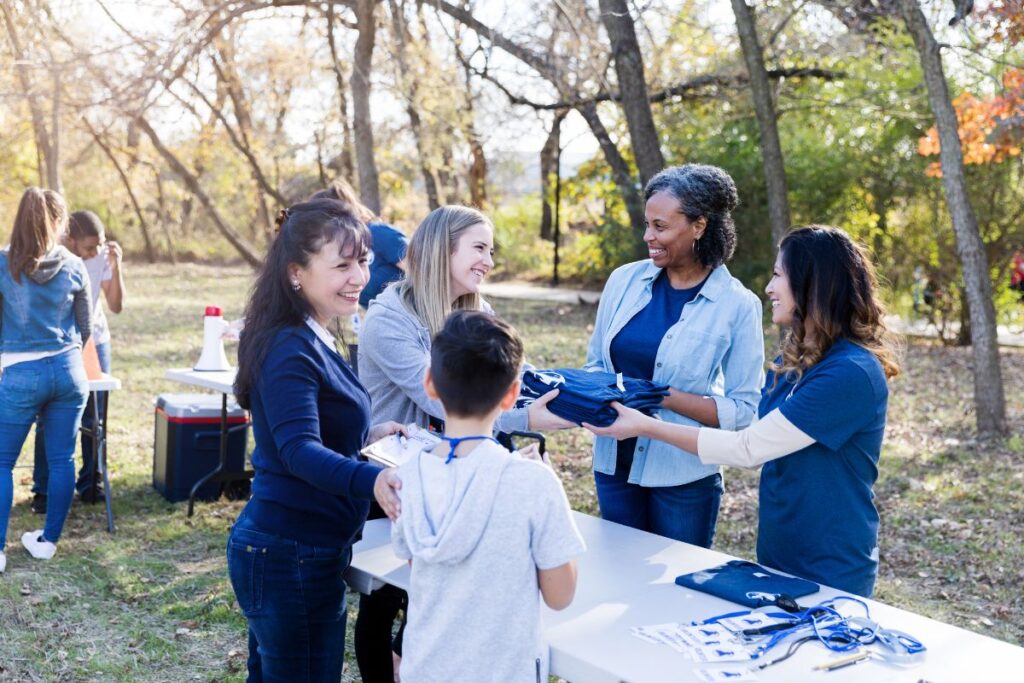
Community outings represent much more than simple recreational activities – they are vital opportunities for individuals with disabilities to engage with their broader community, develop life skills, and experience the joy of shared adventures. Our Melbourne-based community outings program recognizes that every individual has unique interests, support needs, and participation goals that require personalized approaches to group activity planning.
Melbourne’s diverse attractions, from world-class museums and galleries to beautiful parks and entertainment venues, provide endless opportunities for meaningful community engagement. Our experienced support team ensures that individuals with disabilities can access and enjoy these experiences with appropriate support, safety measures, and social interaction opportunities that promote genuine inclusion and personal growth.
The Benefits of Structured Community Outings
Structured community outings provide numerous benefits beyond simple entertainment. They offer opportunities for skill development, social interaction, cultural education, and personal achievement in real-world community settings. For individuals with disabilities, these experiences can build confidence, expand horizons, and create positive associations with community participation.
Our approach to community outings focuses on creating meaningful experiences that contribute to individual goals while ensuring safety, accessibility, and enjoyment for all participants. We understand that successful outings require careful planning, appropriate support, and flexibility to accommodate different needs and preferences within group settings.
Comprehensive Group Activities Melbourne Program
Our group activities Melbourne program encompasses a diverse range of experiences designed to cater to various interests, ability levels, and support requirements. Each activity is carefully planned to ensure accessibility, safety, and meaningful participation for all group members while promoting social interaction and community engagement.
Cultural and Educational Experiences
Museum and gallery visits provide enriching educational experiences while developing cultural appreciation and social skills. Melbourne’s renowned cultural institutions including the National Gallery of Victoria, Melbourne Museum, and Immigration Museum offer diverse exhibitions and programs suitable for group visits with appropriate support.
Historical site exploration helps participants connect with Melbourne’s rich history through visits to significant locations including Old Melbourne Gaol, Eureka Skydeck, and heritage buildings throughout the city. These educational outings combine learning with social interaction in accessible, interesting environments.
Library and learning center visits support ongoing education and skill development while providing opportunities for social interaction and community resource utilization. Melbourne’s excellent library system offers programs and facilities that welcome group visits and provide engaging activities.
Cultural festival and event attendance exposes participants to Melbourne’s diverse cultural celebrations, music festivals, and community events. These experiences promote cultural understanding, social connection, and community participation in large-scale community celebrations.
Recreation and Entertainment Activities
Sports venue visits including attending AFL matches at the MCG, tennis at Melbourne Park, or other sporting events provide exciting group experiences that build social connections through shared enthusiasm and community participation in Melbourne’s sporting culture.
Entertainment venue experiences include visits to theaters for live performances, cinemas for group movie outings, and comedy venues for shared entertainment experiences. These activities promote social interaction while enjoying Melbourne’s vibrant entertainment scene.
Amusement and theme park visits provide exciting recreational experiences with appropriate support to ensure safety and enjoyment. Group visits to venues like Luna Park Melbourne create opportunities for shared adventure and memorable experiences.
Gaming and recreation center visits including bowling alleys, mini golf venues, and arcade centers provide interactive entertainment that promotes social skills, friendly competition, and group bonding through shared recreational activities.
Nature and Outdoor Experiences
Botanical gardens and park visits take advantage of Melbourne’s beautiful green spaces including Royal Botanic Gardens, Fitzroy Gardens, and local parks that provide peaceful, accessible environments for group activities and nature appreciation.
Beach and coastal outings to locations like St Kilda, Brighton Beach, or the Mornington Peninsula provide opportunities for outdoor recreation, sensory experiences, and group activities in Melbourne’s stunning coastal environments.
Zoo and wildlife park visits including Melbourne Zoo, Werribee Zoo, and Healesville Sanctuary provide educational and entertaining experiences with animals while promoting environmental awareness and group social interaction.
Walking tours and exploration activities help participants discover Melbourne’s neighborhoods, street art, architecture, and local attractions through guided group walks that promote physical activity and community exploration.
Specialized Recreational Activities for People with Disabilities
Our recreational activities disabled programs are specifically designed to accommodate various disability types while ensuring meaningful participation and enjoyment. We understand that different disabilities require different approaches to recreational activity planning and support.
Sensory-Friendly Activities
Sensory consideration planning ensures that individuals with autism, sensory processing disorders, or sensory sensitivities can participate comfortably in community outings. This includes selecting appropriate venues, timing visits to avoid crowds, and providing sensory support tools as needed.
Quiet venue selection prioritizes locations that offer calmer environments such as smaller galleries, quiet parks, or venues during off-peak times that reduce sensory overwhelm while still providing engaging experiences.
Sensory break planning incorporates regular breaks, quiet spaces, and sensory regulation opportunities during outings to ensure participants can manage sensory input and continue to enjoy activities comfortably.
Adaptive equipment utilization includes providing noise-canceling headphones, fidget tools, or other sensory support devices that help individuals participate successfully in community activities while managing sensory needs.
Physical Accessibility Focus
Wheelchair accessible venue selection ensures all participants can access and enjoy community outings regardless of mobility requirements. Our team researches venue accessibility and coordinates with venues to ensure appropriate accommodations are available.
Mobility support planning includes assistance with walking aids, transfers, positioning, and rest breaks as needed during community outings. Our support staff are trained in safe mobility assistance and use appropriate equipment for various mobility needs.
Adaptive seating and positioning considerations ensure comfort and safety during extended outings, including access to appropriate seating, positioning equipment, and comfort measures that support participation in longer activities.
Transport accessibility coordination ensures appropriate accessible transport is available for all participants, including wheelchair accessible vehicles and assistance with public transport when appropriate.
Communication and Social Support
Communication assistance includes support for individuals who use alternative communication methods, have speech difficulties, or need help with social interaction during community outings. Our staff are trained in various communication support techniques.
Social facilitation helps individuals develop social skills and build relationships during group activities through guided interaction, conversation prompts, and support for social skill practice in real community settings.
Peer interaction support encourages relationship building between participants while providing guidance on appropriate social behavior, conflict resolution, and friendship development during shared experiences.
Group dynamic management ensures positive group experiences for all participants through careful group composition, activity modification, and individual support that promotes inclusion and enjoyment for everyone.
Melbourne-Specific Community Outing Destinations
Melbourne’s unique character and diverse attractions provide countless opportunities for engaging community outings. Our local knowledge helps us select destinations that offer the best combination of accessibility, interest, and meaningful experiences for our participants.
Inner Melbourne Attractions
Federation Square activities include visits to cultural venues, festivals, and events in Melbourne’s cultural heart. The accessible design and diverse programming make Federation Square an ideal location for group outings with various activity options.
Collins Street and city shopping experiences provide opportunities for practical life skills development, social interaction, and urban exploration in Melbourne’s vibrant city center with good accessibility and transport connections.
Docklands and waterfront visits offer beautiful views, accessible walkways, and various attractions including shopping, dining, and entertainment options suitable for group outings with diverse interests and ability levels.
Queen Victoria Market visits provide sensory-rich experiences, cultural education, and practical skills development through guided market tours that accommodate various support needs while exploring Melbourne’s famous market culture.
Cultural Precinct Exploration
Arts Centre Melbourne visits include guided tours, performances, and cultural experiences in one of Melbourne’s premier cultural venues with excellent accessibility and diverse programming suitable for group visits.
State Library Victoria tours and activities provide educational experiences, architectural appreciation, and cultural learning in a welcoming, accessible environment that encourages exploration and social interaction.
Royal Exhibition Building and Carlton Gardens visits combine historical education with beautiful outdoor spaces, providing diverse activity options and accessible environments for group exploration and learning.
Chinatown and cultural district exploration helps participants experience Melbourne’s multicultural heritage through guided tours, cultural activities, and dining experiences that promote cultural understanding and social interaction.
Suburban Melbourne Destinations
Shopping center visits to venues like Chadstone, Eastland, or local shopping centers provide practical life skills development, social interaction, and recreational shopping experiences in familiar, accessible environments.
Local park and recreation center visits help participants connect with their immediate communities through activities at neighborhood facilities that provide ongoing participation opportunities close to home.
Suburban cultural venues including local libraries, community centers, and cultural facilities provide community connection opportunities and ongoing activity options that support local community integration.
Community festival participation in suburban areas helps participants engage with local community celebrations, seasonal events, and neighborhood activities that promote local community belonging and participation.
Seasonal and Special Events
Christmas and holiday celebrations include visits to holiday displays, Christmas markets, and seasonal events throughout Melbourne that provide festive group experiences and cultural participation in community traditions.
Melbourne Cup Carnival activities include participation in Melbourne’s famous racing carnival through appropriate venues and events that accommodate various support needs while experiencing this significant cultural celebration.
Spring Racing Carnival events provide opportunities to participate in Melbourne’s racing culture through accessible venues and appropriate group activities that ensure safety while experiencing this important Melbourne tradition.
Seasonal festivals and markets throughout Melbourne provide diverse cultural experiences, entertainment, and community participation opportunities that change throughout the year and offer varied group activity options.
NDIS Integration and Community Participation
As a registered NDIS provider, our community outings Melbourne program aligns with NDIS goals of community participation, social connection, and skill development. Our services contribute to multiple NDIS outcome areas while providing meaningful recreational experiences.
Capacity Building Through Community Outings
Social skill development occurs naturally during community outings as participants practice communication, social interaction, and relationship building in real community settings with appropriate support and guidance.
Independence skill building includes practical life skills such as using public transport, managing money, navigating community venues, and making decisions about participation in various activities and experiences.
Community resource awareness helps participants learn about available community facilities, services, and opportunities that they can access independently or with minimal support in the future.
Goal achievement through recreational activities ensures that community outings contribute to individual NDIS goals and personal objectives while providing enjoyable, meaningful experiences that enhance quality of life.
Service Coordination and Planning
Community outing planning integrates with other NDIS services to ensure comprehensive support that addresses all aspects of community participation and personal development while avoiding service duplication or gaps.
Our NDIS support coordination team can assist participants who need help integrating community outings with other services or developing comprehensive community participation plans.
Cross-service coordination ensures community outings complement personal care services, domestic assistance, and other supports to create holistic approaches to community engagement and personal development.
Safety and Risk Management in Group Activities
Ensuring participant safety during community outings requires comprehensive risk assessment, emergency planning, and ongoing safety monitoring while maintaining enjoyable, meaningful experiences that promote reasonable risk-taking and personal growth.
Comprehensive Risk Assessment
Venue safety evaluation includes assessment of physical hazards, accessibility features, emergency procedures, and crowd management considerations for each community outing destination to ensure appropriate safety measures are in place.
Activity-specific risk analysis considers the particular challenges and safety requirements of different types of community activities, from outdoor adventures to indoor cultural experiences, ensuring appropriate safety protocols for each activity type.
Individual risk consideration takes into account each participant’s specific support needs, health considerations, behavioral factors, and safety requirements to ensure personalized safety planning during group activities.
Weather and environmental planning includes consideration of weather conditions, seasonal factors, and environmental challenges that may affect outdoor activities or transport to community venues.
Emergency Procedures and Response
Medical emergency protocols ensure appropriate responses to health emergencies during community outings, including coordination with emergency services, medical facility access, and communication with families and healthcare providers.
Behavioral incident management includes strategies for managing challenging behaviors, de-escalation techniques, and ensuring the safety and comfort of all group members during community activities.
Lost participant procedures include clear protocols for managing situations where participants become separated from the group, including identification systems, communication procedures, and coordination with venue security or authorities.
Emergency evacuation planning ensures participants can be safely evacuated from venues or areas in case of emergencies, with particular consideration for individuals with mobility limitations or other special evacuation needs.
Staff Training and Competency
Community outing leadership training ensures staff have appropriate skills for managing group activities, facilitating social interaction, and providing appropriate support during various types of community experiences.
First aid and emergency response certification ensures all community outing staff are qualified to respond to medical emergencies and provide appropriate first aid care during community activities.
Disability-specific support training includes specialized knowledge about supporting individuals with various disability types during community activities, understanding individual needs, and providing appropriate accommodations and assistance.
Venue liaison and advocacy skills help staff communicate effectively with venue operators, advocate for accessibility accommodations, and ensure positive experiences for all participants during community outings.
Building Social Connections Through Group Activities
Community outings provide natural opportunities for relationship building, social skill development, and friendship formation. Our approach to group activities focuses on facilitating meaningful social connections while ensuring inclusive participation for all group members.
Friendship Development Opportunities
Shared experience bonding helps participants build relationships through enjoyable shared activities, common interests, and memorable experiences that create foundations for ongoing friendships and social connections.
Peer support encouragement promotes mutual assistance, caring relationships, and supportive interactions between participants during community activities, fostering natural support networks and friendship development.
Group identity building helps participants develop sense of belonging and group cohesion through regular participation in community outings and shared experiences that create positive group identity and social connection.
Social skill practice in natural settings allows participants to develop and practice social skills during community activities with appropriate support and guidance in real-world social situations.
Inclusive Group Management
Mixed ability group composition ensures that individuals with different support needs and ability levels can participate together successfully, promoting mutual understanding and diverse friendship opportunities.
Individual accommodation within group settings ensures that each participant’s specific needs are met while maintaining group cohesion and ensuring everyone can participate meaningfully in community activities.
Conflict resolution and social mediation helps address social challenges that may arise during group activities while teaching problem-solving skills and maintaining positive group dynamics.
Leadership opportunity creation provides chances for participants to take leadership roles, make group decisions, and contribute to activity planning, building confidence and social skills through increased responsibility.
Technology and Communication Support
Modern community outings can be enhanced through appropriate technology use that supports communication, safety, and participation while building digital literacy skills and confidence with technology in community settings.
Communication Technology Integration
Mobile communication devices help participants stay connected with families, communicate during outings, and develop confidence using technology for communication and safety purposes in community settings.
GPS and navigation support helps participants learn to use technology for community navigation while providing safety backup for staff monitoring and emergency response during community outings.
Photography and documentation encourages participants to document their experiences, build portfolios of community participation, and share experiences with families while developing technology skills and creative expression.
Social media and digital sharing provides opportunities for participants to share their community experiences online, connect with others who share similar interests, and build digital social connections appropriately and safely.
Assistive Technology Support
Communication aid integration ensures individuals who use alternative communication devices can participate fully in community activities with appropriate technology support and backup communication options.
Accessibility app utilization helps participants learn to use smartphone apps that support accessibility, navigation, and community participation while building independence in technology use for community access.
Sensory support technology including noise-canceling devices, visual aids, and other assistive technologies helps individuals manage sensory challenges during community outings while maintaining participation and enjoyment.
Emergency alert systems provide safety backup through personal emergency devices, medical alert systems, and communication technology that ensures rapid response to emergencies during community activities.
Coordination with Families and Support Networks
Community outings often involve coordination with families and informal support networks to ensure consistency, communication, and comprehensive support that extends beyond formal community outing times.
Family Communication and Involvement
Activity planning consultation includes family input on activity selection, support needs, and individual preferences while respecting participant autonomy and choice in community participation decisions.
Progress sharing and documentation helps families understand community participation achievements, social development, and skill building that occurs during community outings while maintaining appropriate privacy boundaries.
Home integration support helps families understand how to continue community participation goals at home and support ongoing skill development and social connections beyond formal group activities.
Emergency communication protocols ensure families are appropriately informed about incidents, changes in plans, or emergency situations while maintaining efficient emergency response and participant safety.
Integration with Other Services
Community access service coordination ensures community outings complement individual community access activities and support comprehensive community participation goals.
Social inclusion support integration helps ensure group activities contribute to broader social inclusion goals and community integration objectives while building on individual social development work.
Healthcare provider coordination ensures community outings accommodate medical needs, therapy goals, and health considerations while promoting wellness through community participation and social connection.
Educational and employment support integration helps community outings support educational goals, employment skill development, and transition planning for participants engaged in education or employment services.
Measuring Success and Outcomes
Effective community outing programs require ongoing evaluation to ensure activities meet participant goals, provide meaningful experiences, and contribute to overall wellbeing and community participation objectives.
Individual Outcome Measurement
Social skill development tracking monitors improvements in communication, social interaction, relationship building, and group participation skills that occur through regular community outing participation.
Community knowledge and confidence assessment evaluates increases in community awareness, navigation skills, and confidence in accessing community resources and participating in community activities independently.
Goal achievement monitoring tracks progress toward individual NDIS goals and personal objectives through community outing participation while identifying areas for continued growth and development.
Quality of life indicators measure improvements in happiness, life satisfaction, sense of belonging, and overall wellbeing that result from regular community participation and social connection.
Program Evaluation and Improvement
Participant satisfaction surveys gather feedback about activity preferences, support quality, safety considerations, and suggestions for program improvement from participants and families.
Activity effectiveness analysis evaluates which types of community outings provide the greatest benefits for different participant groups, informing future activity planning and program development.
Safety incident analysis reviews any safety concerns, incidents, or challenges to continuously improve safety protocols and risk management procedures while maintaining meaningful community participation.
Community impact assessment evaluates the program’s effect on community awareness, acceptance, and inclusion of individuals with disabilities while identifying opportunities for broader community engagement.
Getting Started with Community Outings
Beginning participation in community outings requires assessment of individual interests, support needs, and goals to ensure appropriate activity selection and support planning that promotes successful, enjoyable community participation.
Initial Assessment and Interest Exploration
Comprehensive activity assessment explores individual interests, preferred activities, support requirements, and any concerns or barriers to community participation that need to be addressed in activity planning.
Social comfort and group preference evaluation determines appropriate group sizes, social settings, and interaction levels that match individual comfort levels and social development goals.
Accessibility and support needs identification ensures appropriate accommodations, equipment, and support levels are planned for successful community outing participation.
Goal alignment ensures community outings contribute to individual NDIS goals, personal objectives, and desired outcomes while providing enjoyable recreational experiences.
Program Introduction and Participation
Gradual introduction approach allows comfortable adjustment to group activities and community outings, starting with familiar activities or smaller groups and gradually expanding participation as comfort and confidence develop.
Activity sampling opportunities provide chances to try different types of community outings and group activities to identify preferences and optimal participation approaches.
Ongoing evaluation and adjustment ensure community outing participation continues to meet changing interests, developing skills, and evolving goals while maintaining enjoyment and meaningful community engagement.
Frequently Asked Questions
What types of community outings do you organize in Melbourne?
We organize diverse outings including cultural venue visits, recreational activities, sports events, nature experiences, shopping trips, entertainment venues, and seasonal celebrations throughout Melbourne, all adapted for various support needs and interests.
How do you ensure safety during group community outings?
We conduct comprehensive risk assessments, maintain appropriate staff ratios, implement emergency procedures, coordinate with venues for accessibility, and provide individualized support while promoting reasonable risk-taking and independence.
What is the maximum group size for community outings?
Group sizes vary based on activity type, venue requirements, and participant support needs. We typically maintain smaller groups to ensure personalized attention, safety, and meaningful social interaction for all participants.
Can participants choose which community outings to attend?
Absolutely. Participant choice and control are fundamental to our services. Individuals select activities based on their interests, comfort levels, and goals while we provide support to access their chosen community experiences.
How do you accommodate different disability types during group activities?
We provide individualized support within group settings, ensure venue accessibility, adapt activities as needed, provide sensory supports, communication assistance, and mobility help while maintaining inclusive group participation.
What areas of Melbourne do you visit for community outings?
We organize outings throughout Melbourne including inner city attractions, suburban destinations, coastal areas, cultural precincts, and seasonal venues, selecting locations based on accessibility, participant interests, and activity goals.
How much do community outings cost?
Costs vary based on activity type, venue admission fees, transport requirements, and support levels needed. We provide transparent pricing aligned with NDIS guidelines and work to maximize value within available funding.
Can family members join community outings?
Family involvement depends on individual preferences and activity requirements. We welcome appropriate family participation while maintaining focus on participant independence and peer relationship development.
Ready to explore Melbourne’s amazing attractions and build lasting friendships through group community outings? Contact Claddagh Support Services today to discuss your interests and learn how our community outings Melbourne program can provide exciting, safe, and meaningful experiences that enhance your community participation. Call us to join our next adventure and discover why participants love our group activities Melbourne program.